






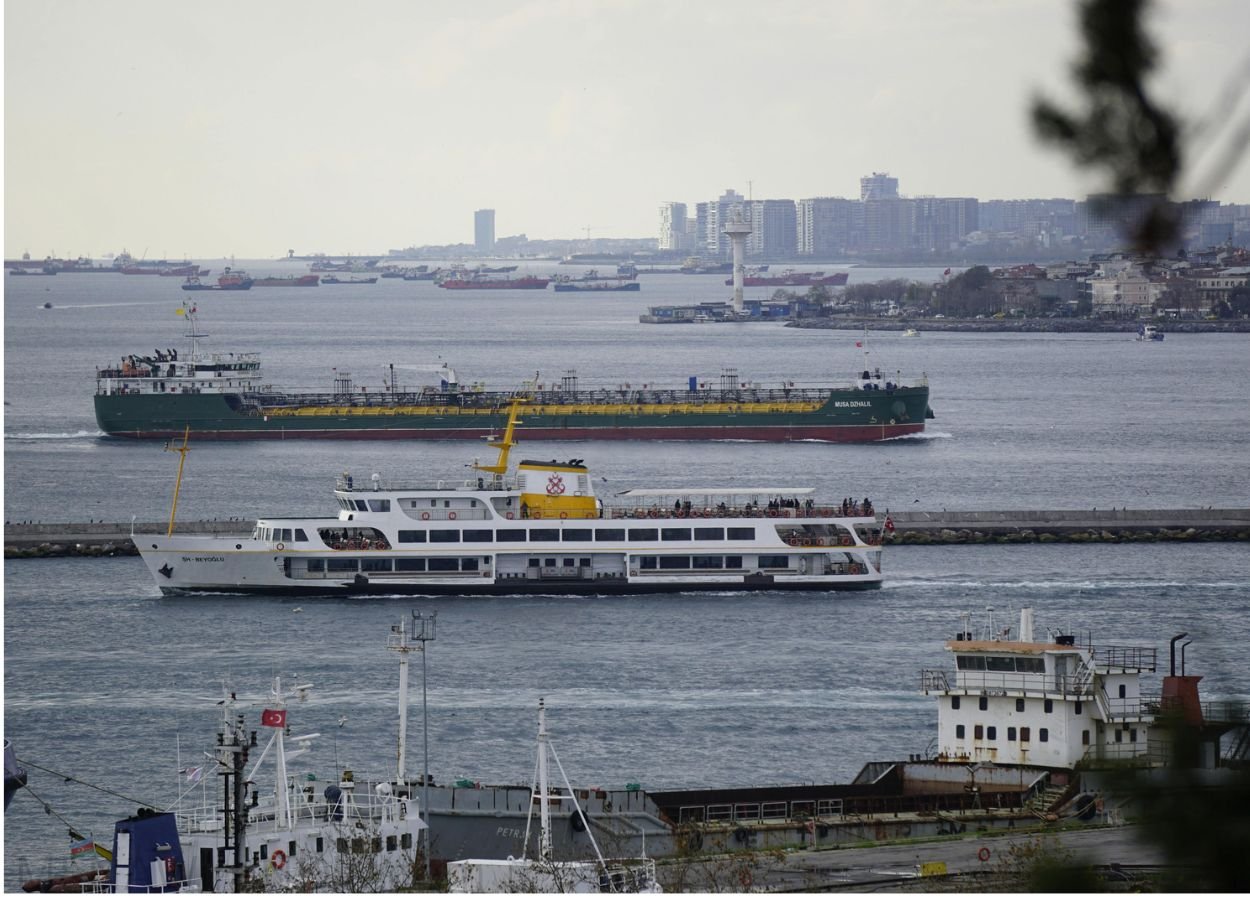
DUBAI — Two commercial oil tankers triggered explosions after striking naval mines in the Strait of Hormuz on Monday, Iran’s Islamic Revolutionary Guard Corps (IRGC) announced via state media. According to the military communique, the latest detonations bring the tally to six tankers that have caught fire in parallel mine-related incidents across the vital maritime chokepoint over Sunday and Monday.
The escalating string of maritime incidents underscores severe threats to global energy transit through the narrow waterway, which serves as the primary artery for roughly one-fifth of the world’s seaborne crude oil supplies. Tehran’s forces alleged that the targeted vessels were attempting to navigate an unauthorized corridor in the southern sector of the strait with deactivated automatic identification systems before hitting the submerged explosives.
While Iranian authorities did not immediately release the names, flag states, or ownership details of the vessels involved in Monday’s explosions, the announcement follows a weekend marked by mounting maritime disruption across the Gulf. On Sunday, the IRGC reported that two tankers struck mines in the southern strait—claiming one of the vessels, a supertanker laden with over two million barrels of crude oil, sank following a massive blast and fire. Separately, the United Kingdom Maritime Trade Operations (UKMTO) confirmed on Sunday that it had received alerts from Indian shipping authorities regarding an attack on a commercial tanker in the Gulf, noting that the crew remained safe while damage assessments continued.
The maritime confrontation unfolds amid heightened military friction across the region. Commercial navigation through the Strait of Hormuz has faced recurring Iranian restrictions and severe threat warnings since hostilities erupted on February 28. Meanwhile, US Central Command (CENTCOM)—which has expanded its regional naval footprint with the arrival of the aircraft carrier USS Theodore Roosevelt to deter Iranian escalation—previously stated that coalition forces had cleared mines from primary shipping lanes while facilitating the export of 1.5 billion barrels of Gulf crude since the summer.
As maritime monitors and international naval coalitions work to independently verify the extent of Monday’s blasts, shipping insurers and energy markets remain on high alert over potential supply bottlenecks in the Gulf.






No Comment! Be the first one.