






TEHRAN — Iran will bar United Nations inspectors from visiting its damaged atomic installations until the ongoing Middle Eastern conflict concludes and Washington fulfills a series of stringent preconditions, a high-ranking Iranian diplomat announced. The official stance was articulated late Sunday by Deputy Foreign Minister Kazem Gharibabadi during a televised broadcast, directly rebuffing the International Atomic Energy Agency’s recent appeals for immediate on-site access to verify nuclear materials.
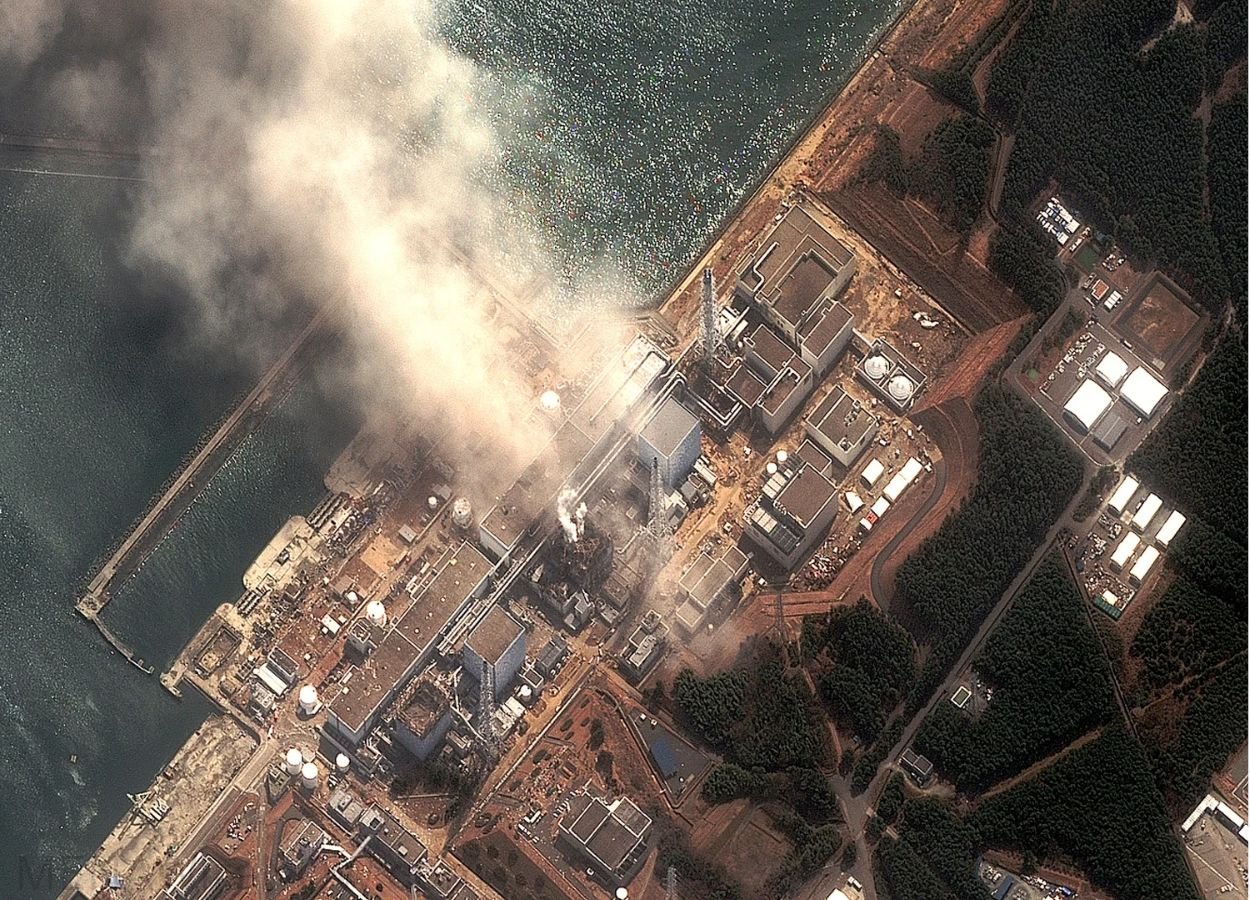
Gharibabadi asserted that Tehran will maintain its restrictions on International Atomic Energy Agency (IAEA) personnel until hostilities cease permanently and Iranian demands are met. International oversight across Iran’s nuclear infrastructure has remained largely frozen since a 12-day military escalation involving Israel and the United States in June 2025 that targeted atomic sites. Oversight collapsed further following renewed US-Israeli airstrikes on February 28 that struck critical facilities—including Natanz, Fordow, and Isfahan—and resulted in the death of Supreme Leader Ayatollah Ali Khamenei. While IAEA inspectors secured a limited visit to the Bushehr nuclear power plant in September, all other major enrichment and research sites have remained strictly off-limits.
Addressing the watchdog’s repeated requests to inspect the heavily damaged facilities, Gharibabadi claimed Tehran believes the monitoring push is “likely aimed at assessing the effectiveness of American weaponry” rather than verifying peaceful nuclear inventories. The diplomatic stalemate coincides with stalled international mediation efforts to halt the broader regional war. Tehran has conditioned any future reopening of the strategic Strait of Hormuz—which Iranian forces have blockaded amid the ongoing hostilities—on Washington unfreezing multi-billion-dollar foreign assets and dismantling economic sanctions. Iranian officials have consistently maintained that wider negotiations regarding the nation’s nuclear dossier will only be addressed at a subsequent political stage.
Tensions have escalated sharply on multiple fronts between Tehran and Washington. Earlier this month, the United States military unveiled a $20 million bounty program seeking intelligence on Iran’s nuclear network—a development Iranian authorities swiftly condemned as a “repugnant” provocation. Meanwhile, the IAEA Board of Governors faces mounting pressure ahead of its upcoming sessions, having referred Iran to the UN Security Council in September over safeguards non-compliance for the first time in two decades. Western governments remain deeply concerned over the unverified status of Iran’s pre-conflict stockpile of 60 percent enriched uranium, even as Tehran insists its atomic pursuits remain strictly peaceful.






No Comment! Be the first one.