






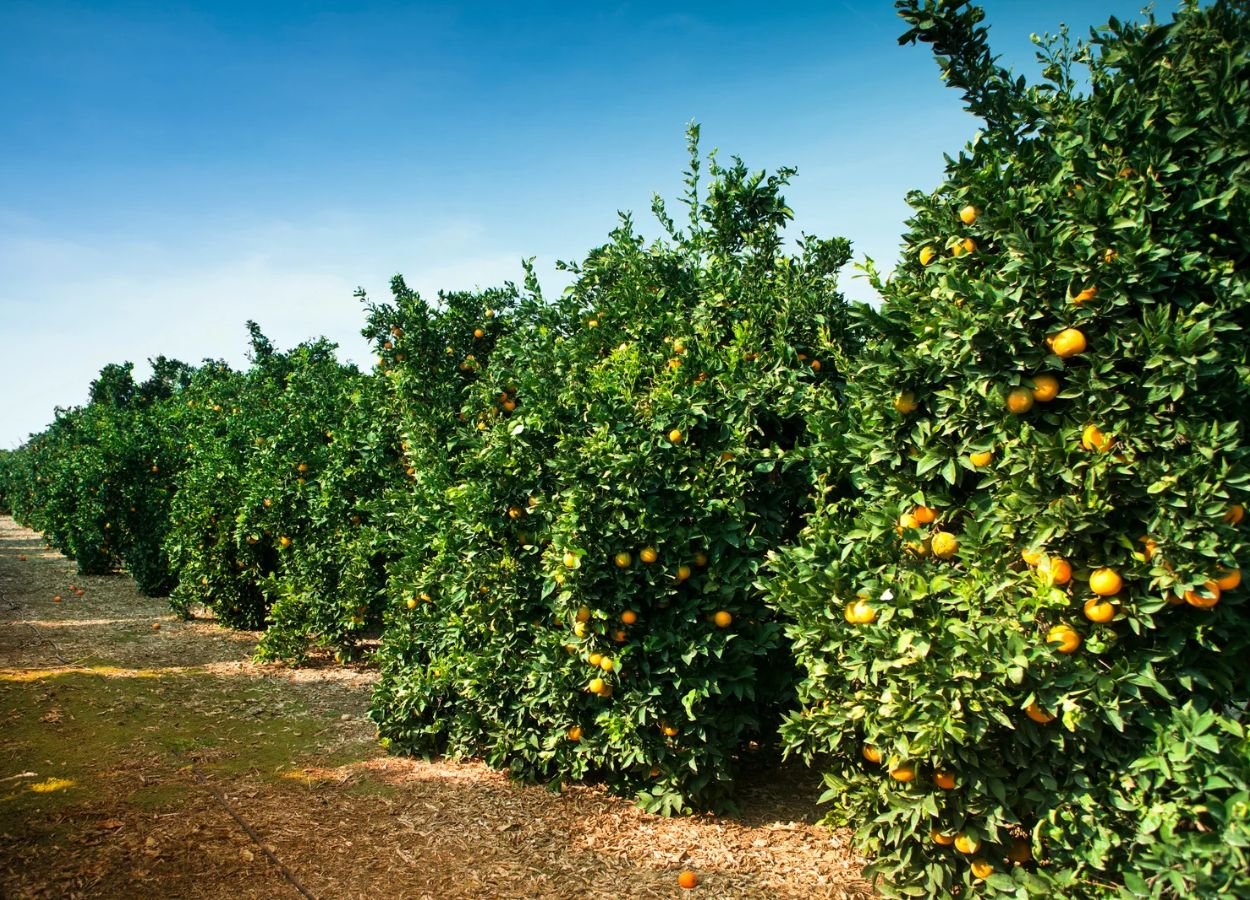
DAMASCUS — Syria anticipates its 2026 citrus harvest to reach 840,000 tonnes, generating an estimated market value of $588 million, according to official projections released by the Ministry of Agriculture. Representing an 18 percent increase over the past decade’s annual average—and up notably from the roughly 688,000 tonnes harvested in 2025—the expanded yield provides vital economic support to approximately 50,000 farming families and agricultural supply chain workers nationwide.
Hatem Majar, director of the ministry’s Citrus Office, attributed the robust harvest to favorable climatic conditions and abundant rainfall during the preceding season, which replenished water reservoirs and ensured steady summer irrigation. Agricultural officials project that domestic output will fully satisfy local consumer demand between September 2026 and April 2027, leaving a substantial surplus available for export.
Cultivation spans approximately 41,000 hectares concentrated heavily along Syria’s Mediterranean coast. The coastal governorates of Latakia and Tartous account for more than 99 percent of national output, projected to yield 639,000 tonnes and 201,000 tonnes, respectively, while all other provinces combined represent less than 1 percent. By fruit variety, oranges dominate production at 517,000 tonnes, followed by mandarins at 161,000 tonnes, lemons at 126,000 tonnes, and grapefruit and pomelos totaling 36,000 tonnes.
Despite higher volumes, Majar cautioned that growers continue to contend with narrow profit margins driven by rising fuel and transportation expenses, constrained export channels, and inadequate sorting and packaging infrastructure. He noted that modernizing packing facilities is essential to expanding foreign shipments and relieving oversupply in local markets, while warning producers against harvesting unripe fruit—a practice that erodes product quality and dampens consumer demand. To safeguard both growers and buyers, Majar advocated for stronger public-private partnerships, wider adoption of contract farming, and digitalizing wholesale produce markets to track shipments and monitor pricing transparently. In parallel, the ministry is collaborating with the UN Food and Agriculture Organization (FAO) to introduce international quality certification programs aimed at boosting export competitiveness.
Agricultural specialist Akram Afif echoed calls for structural investment, urging expansion in agro-processing industries to absorb seasonal gluts, curb post-harvest waste, and stabilize farm-gate prices. Afif highlighted untapped export potential in dried citrus products, essential oils, and peel-derived compounds utilized by pharmaceutical and industrial manufacturers. While commending the government’s decision to suspend foreign citrus imports in order to prioritize domestic growers, he stressed that expanding cold storage and year-round processing capacity remains critical to preventing recurring surpluses and financial losses.







No Comment! Be the first one.