






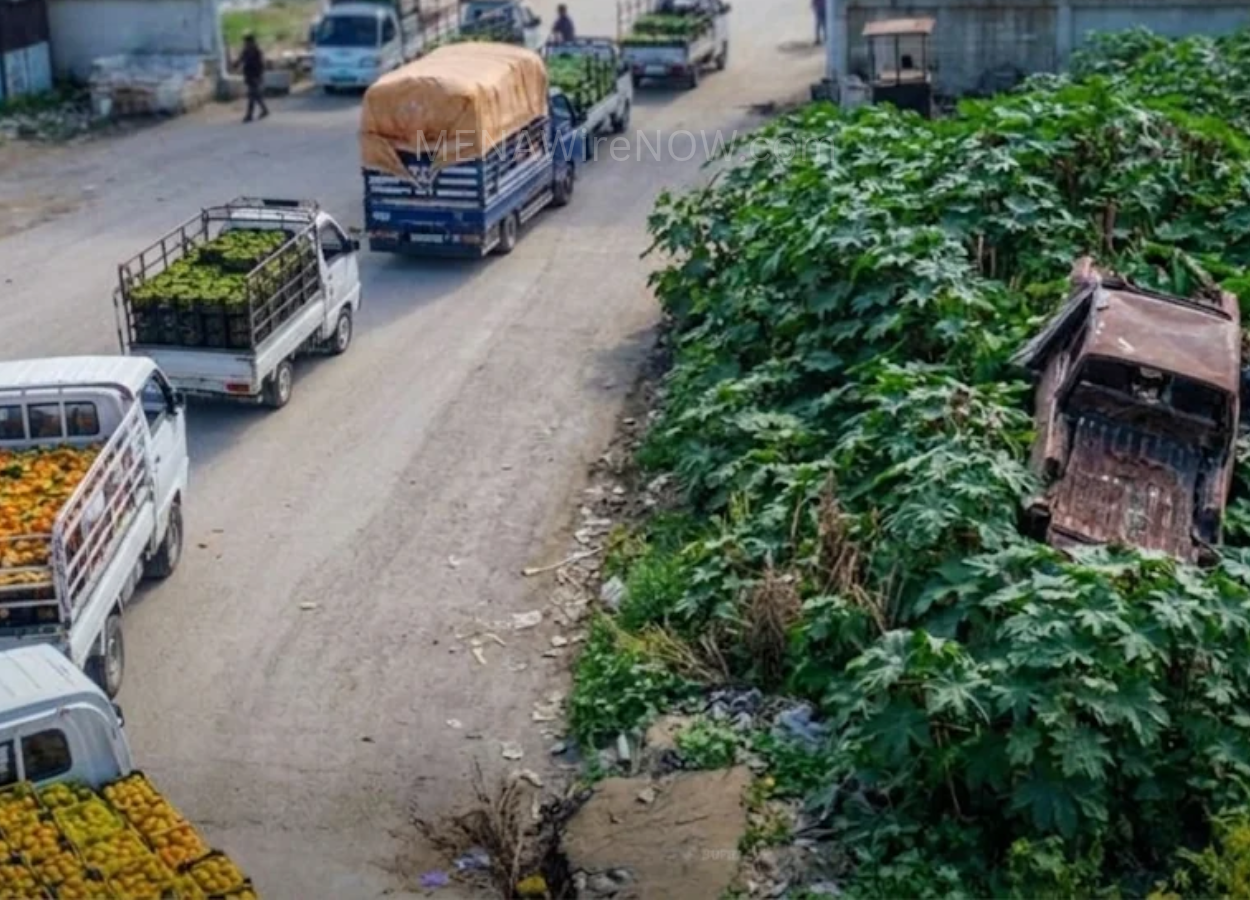
Syria is optimistic about the upcoming agriculture season, with total citrus production expected to be around 840,000 metric tons this year. This harvest is expected to be worth about $588 million and should be about 18 percent higher than last year’s harvest and thus provide financial relief for thousands of farmers in the area.
Based on the information that was provided by the Ministry of Agriculture, it is evident that citrus plantations cover around 41,000 hectares and are concentrated mainly in the agricultural coastal areas of Syria. The increase in output this year comes after last year’s harvest when farmers obtained just 688,000 metric tons of fruit. According to the officials, the increase is due to proper weather conditions, as well as the improvement in the rainfall during the previous season and the filling of water storages, which allows for the use of irrigation systems during the hot summer months.
Oranges comprise the lion’s share of the domestic yield at approximately 517,000 tons, followed by mandarins at 161,000 tons, sour lemons at 126,000 tons, and smaller quantities of citron and pomelo. Ministry officials confirmed that domestic production is robust enough to fully meet local market demand from September through April, leaving a healthy surplus available for international export. To safeguard domestic growers, authorities have maintained restrictions on foreign citrus imports, ensuring priority is given to national produce.
Despite the promising harvest metrics, agricultural experts note that growers continue to navigate logistical hurdles. High transportation expenses, escalating fuel costs, and limited export channels remain prominent operational challenges. Furthermore, industry specialists have cautioned against premature harvesting—such as picking fruit before it reaches optimal maturity—which can degrade overall quality and diminish consumer appeal.
To maximize the economic value of the seasonal surplus, officials are encouraging the expansion of local processing industries. Expanding facilities for drying fruits and extracting essential oils from peels for industrial and pharmaceutical applications could help minimize crop wastage. Additionally, the ministry is collaborating with international bodies, including the United Nations Food and Agriculture Organization, to roll out specialized certification programs aimed at elevating quality standards and helping Syrian agricultural goods satisfy strict international export requirements.






No Comment! Be the first one.