





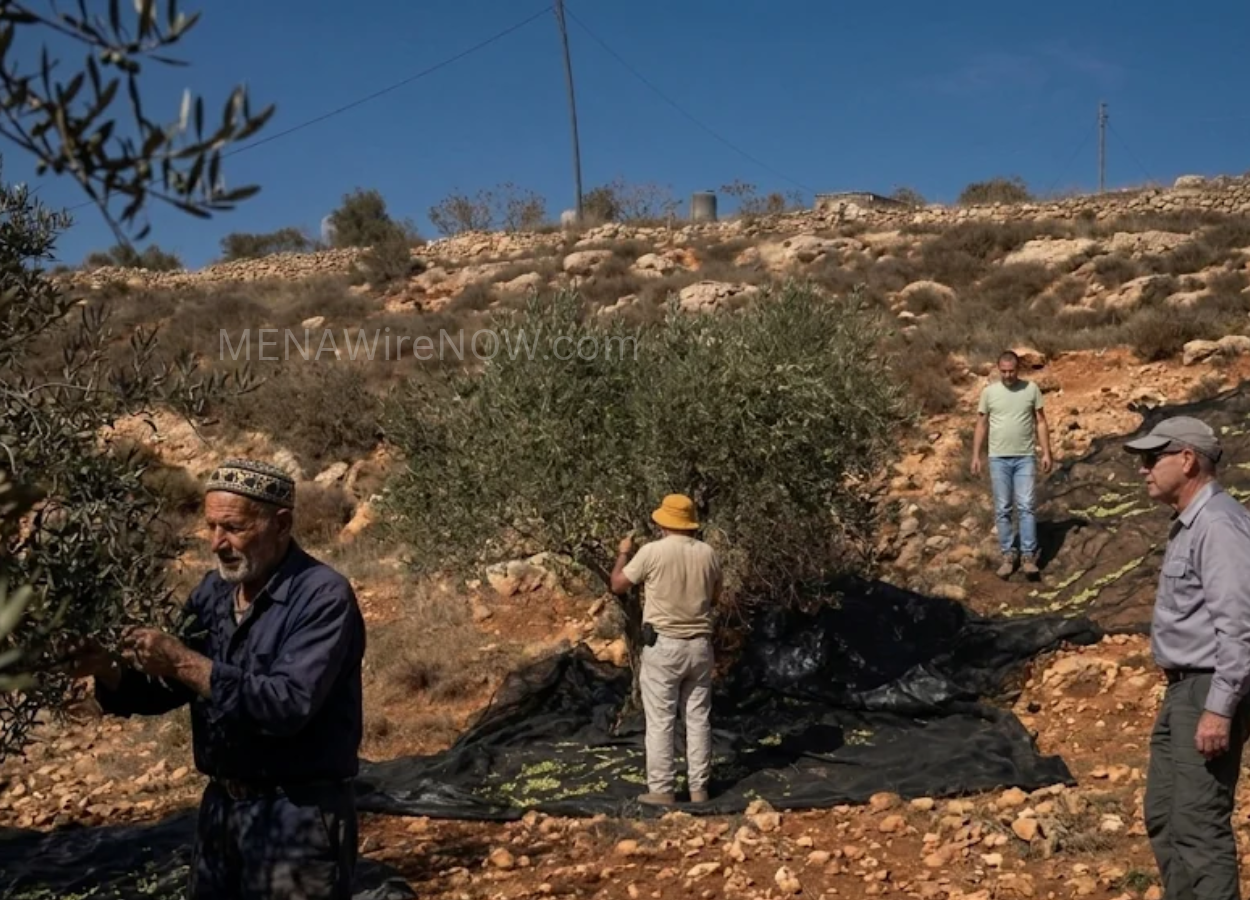
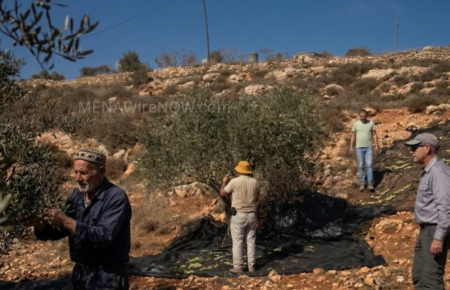
A group of prominent retired Israeli military leaders and former generals went to the West Bank, which is under occupation, to help Palestinian farmers with harvesting their olives during the season. This kind of act can be considered a statement of support in reaction to the increasing attacks on rural communities in the area by radical settlers.
Former Major General Eyal Ben-Reuven, who was one of those who helped organize the involvement of about thirty retired military leaders in the event, denounced the aggressions. Commenting on the beatings suffered by families, he compared the actions of the radical settlers to pogroms. The organizers of the event said that this effort was organized because of the increasing number of aggressive disruptions in the area, which happen under the eyes of security forces.
Human rights organizations operating in the region have documented dozens of physical incursions against agricultural workers since the harvesting period commenced. According to monitoring groups, military personnel have been physically present during a significant portion of these confrontations, frequently responding sluggishly or intervening in a manner that local residents view as supportive of the agitators.
Colonel Doron Meinert, another retired commander participating in the solidarity effort, emphasized that the ongoing occupation remains a core societal challenge that Israel must confront directly rather than dismiss. Meinert cautioned that ideological alignment with extremist agendas has permeated certain ranks within the armed forces, where fringe elements operate under the conviction that Arab residents should be marginalized or expelled.
The West Bank accommodates approximately three million Palestinians alongside roughly half a million Jewish settlers residing in communities widely deemed illegal under international governance frameworks. While official state representatives maintain that military branches reflect a diverse cross-section of civilian perspectives and strive to preserve regional stability, these high-profile veteran interventions highlight deep internal fractures over security policies and human rights in the contested territories.

No Comment! Be the first one.