






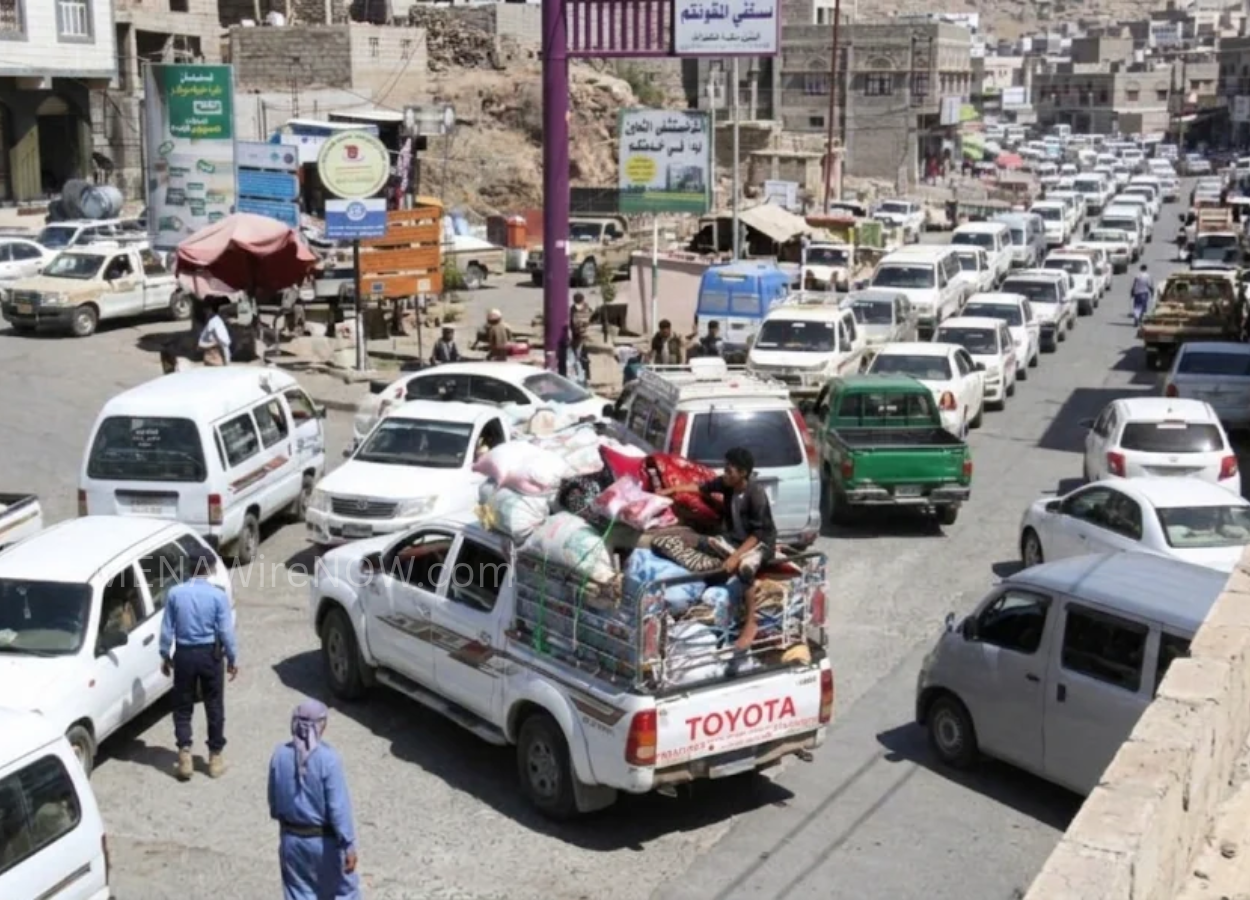
With more than 13,000 pregnant women in Taiz, which is the southwestern Yemeni metropolis, left without necessary maternal health services, relief agencies have pointed out that growing battles along with strict travel bans are threatening the collapse of the entire local healthcare system.
The United Nations Population Fund (UNFPA) claims that because of the increasing intensity of fighting and lack of access to the region, there has been an enormous rise in the number of pregnancy complications and home births taking place without assistance. Out of 147,000 women and girls who fall within the reproductive age group and have been affected by the situation, thousands of pregnant women are facing life-threatening challenges.
The humanitarian situation is further aggravated by acute food insecurity and crippled supply routes. Over 800,000 residents in and around the locality have lost regular food assistance since early October, forcing vulnerable expectant mothers to subsist on inadequate rations such as tea, plain bread, or small portions of rice. Malnutrition rates are soaring, contributing directly to a rise in miscarriages and high-risk health emergencies. Out of 27 previous emergency maternal and newborn health centers, only a fraction remain partially functional, leaving thousands without professional assistance.
Relief coordinators note that the crippling blockade restricts the movement of critical resources, delaying emergency ambulance dispatches and halting the regular delivery of life-saving therapeutics. Doctors on the ground report that many women are forced to delay seeking hospital treatment until conditions become critical, owing to prohibitively high transportation costs and dangerous checkpoints that cut across active conflict zones. Without an urgent injection of foreign medical aid and fuel subsidies to power generators, physicians warn that even the few remaining maternity wards will soon close their doors completely.
UN officials emphasized that Yemen already bears one of the highest maternal mortality rates in the region, and the renewed hostilities risk reversing years of fragile medical progress. Nearly 6,400 pregnant women among those displaced by the violence face treacherous journeys on foot across rugged terrain, heightening the likelihood of severe obstetric emergencies. Humanitarian agencies continue to call for immediate, unhindered safe access to deliver life-saving medical supplies, nutritional supplements, and operational fuel to buckling local hospitals before the crisis deepens further.




No Comment! Be the first one.