






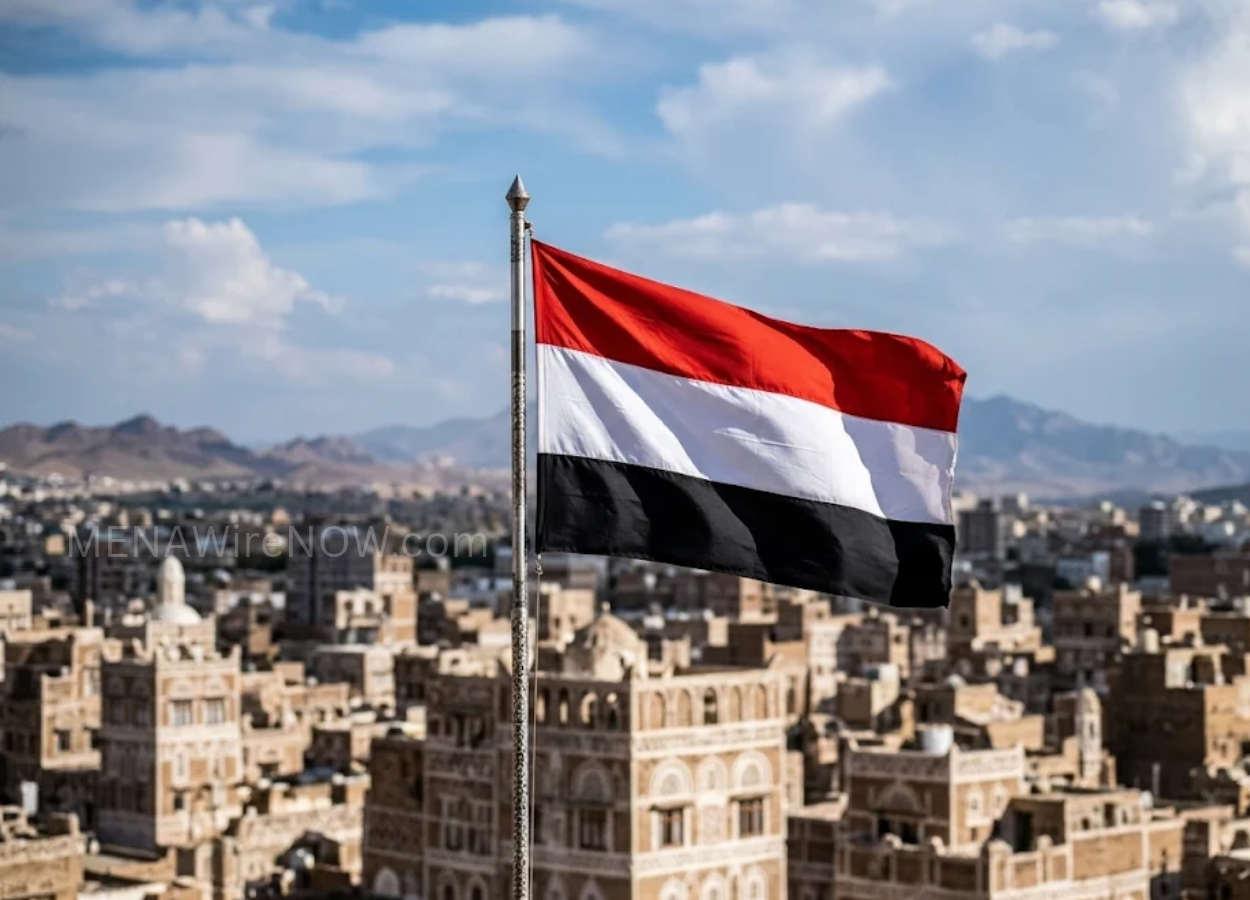
A restructuring has been undertaken in several ministries and government institutions by Yemen’s official administration in light of the meetings being organized by the PLC to discuss measures against increasing Houthi attacks.
According to news that was released on Monday, new appointees are going to head key public offices amid a delicate moment in Yemen’s history. They have chosen Salem Abu Bakr Mohammad Thabit Al-Awlaqi as their new minister of information, while Moammar Mutahar Mohammed Al-Eryani has become an ambassador in the Ministry of Foreign Affairs and Expatriates. There are also Akram Nasib Ahmed Al-Amri as the minister of civil service and insurance and Ahmed Saleh Ahmed Al-Awlaqi for the Ministry of Local Administration.
The executive updates extend into crucial national transport and infrastructure sectors. Hassan Faraj Mohammed Omar has been appointed Chairman of the Board of Directors for the Civil Aviation and Meteorology Authority, and Saber Abdo Mohammed Al-Sunaidi takes the helm as Chairman and CEO of the Yemen Gulf of Aden Ports Corporation. Furthermore, Riyadh Saeed Omar Bajumaan has assumed office as the Undersecretary of the Ministry of Transport for Maritime Affairs and Ports.
Concurrently, the high-level council sessions focused heavily on neutralizing ongoing security threats posed by the Houthi movement. Beyond military readiness, state officials emphasized the imperative of streamlining governance, enhancing fiscal management, and securing vital trade corridors against regional maritime disruptions. Rebuilding economic stability and maintaining seamless operations across Yemen’s southern ports remain central priorities for the newly appointed ministers as they work to reinforce state authority.
During the deliberations, council members underscored that recent military resilience and tactical strides against Houthi forces would have been unachievable without vital backing from Saudi Arabia. Officials highlighted that continuous developmental and humanitarian assistance—channeled through the King Salman Humanitarian Aid and Relief Center and the Saudi Development and Reconstruction Program for Yemen—remains foundational to sustaining state institutions and safeguarding public welfare amid the prolonged crisis.




No Comment! Be the first one.