





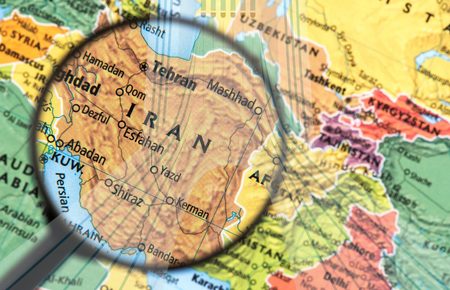
With the changes to the political climate after the Knesset election in Israel, the political alliance formed by Benjamin Netanyahu, which is a right-wing alliance, has emerged dominant, putting national security and Tehran into the spotlight once again.
After the election was conducted, Netanyahu made an address to his supporters at the Likud party headquarters, where he referred to a chance to tackle regional issues with the help of the international community. According to the initial results of the voting, Netanyahu’s alliance has got 53 mandates in the 120-member parliament, beating the alliance of the opposition that has Gadi Eisenkot as its leader, while Arab groups have also earned about 19 seats.
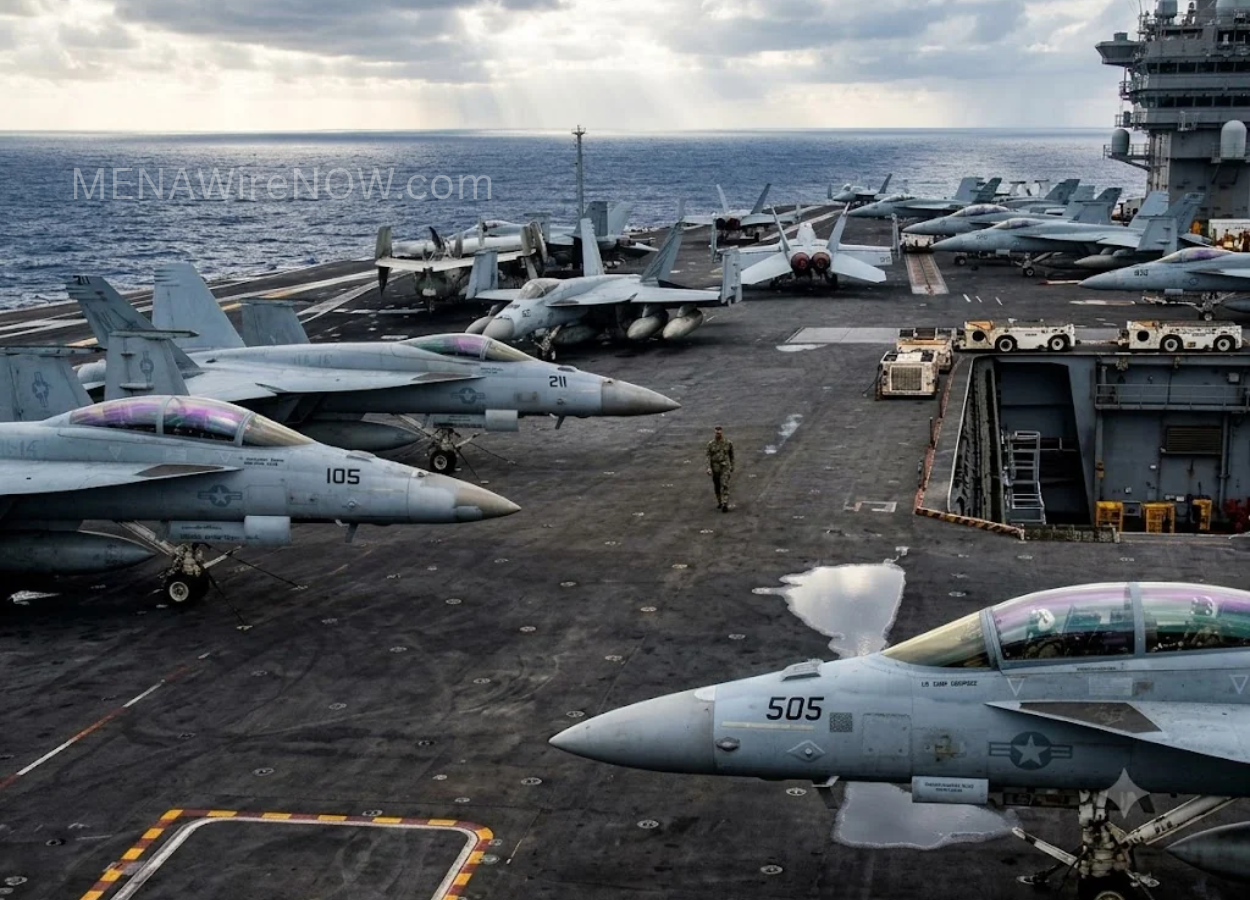
Amid the current domestic political developments, security analysts are considering the overall strategic implications of this situation. Intelligence assessments indicate that joint operational planning between Washington and regional capitals has intensified, with defense officials preparing for various contingencies should hostilities escalate.
Regional capitals have expressed growing anxiety over potential economic disruptions, including security threats to critical maritime routes and vital energy infrastructure in the Gulf, which could be targeted in the event of renewed military exchanges. Furthermore, diplomatic actors across the Middle East are scrambling to establish backchannels to de-escalate tensions, fearing that a protracted confrontation could destabilize neighboring economies already grappling with high inflation and severe supply chain pressures.
The electoral outcome unfolds against this backdrop of heightened regional tension and ongoing diplomatic maneuvers. Recent reports indicate that defense and foreign policy establishments are carefully monitoring developments as diplomatic channels remain active. Analysts note that the formation of a governing coalition could take several weeks, potentially influencing the pace of strategic decisions regarding neighboring states.
Meanwhile, regional allies and international observers are assessing the broader implications of the vote for stability across the Gulf and the Levant. Security experts suggest that the evolving political dynamics will heavily dictate government priorities, particularly concerning defense readiness and diplomatic engagement in an increasingly complex geopolitical environment.





No Comment! Be the first one.