





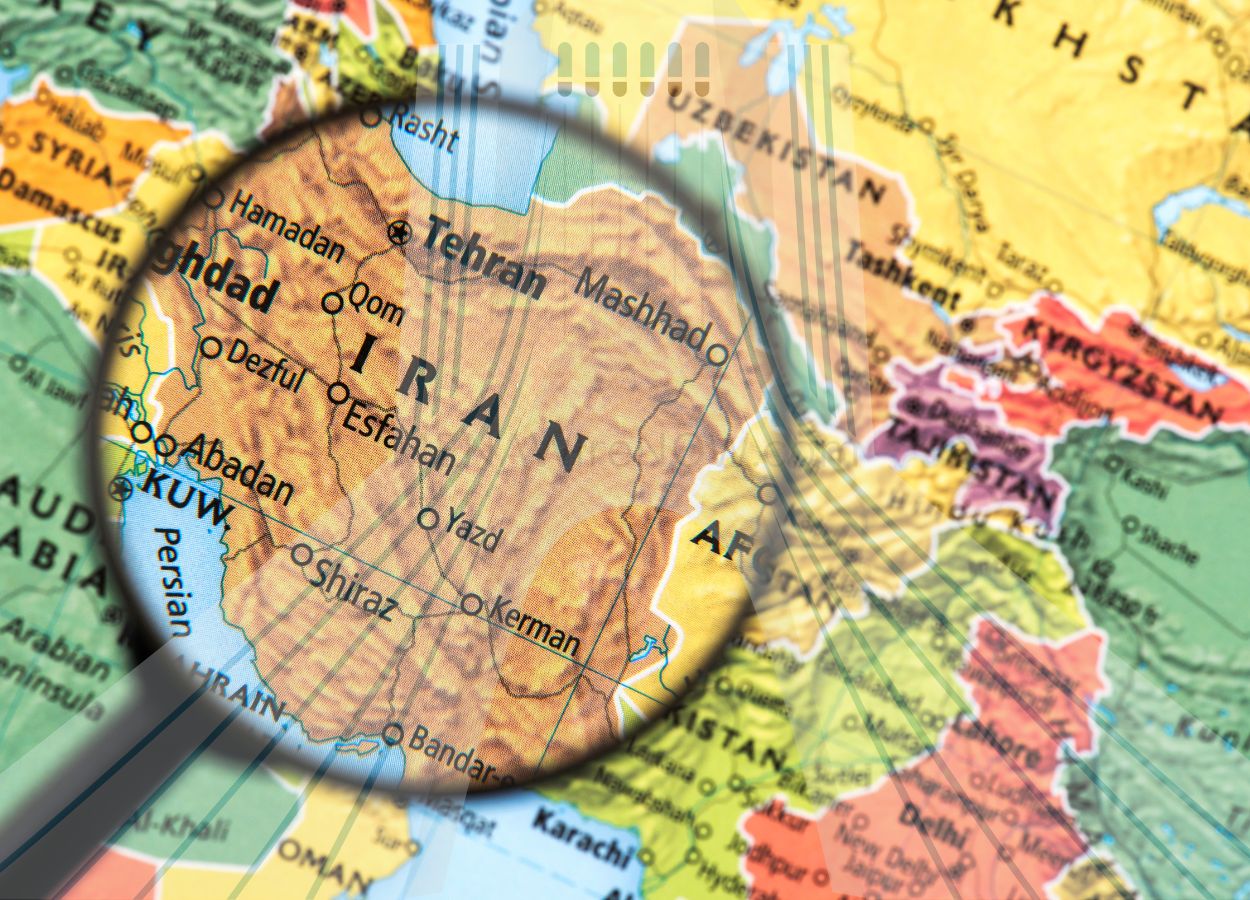
Tehran — Qatari diplomatic representatives held more than 12 hours of discussions in Tehran on Friday in an effort to secure an agreement that could bring the United States and Iran back to direct negotiations and reduce the risk of renewed military confrontation.
According to diplomatic sources, the discussions are expected to continue in Doha on Saturday, as regional governments intensify efforts to find a diplomatic solution before the November 3 US midterm elections.
A diplomatic source said Qatari mediators maintained regular communication with the White House throughout Friday’s negotiations. The source described the discussions as showing positive movement, although an agreement has not yet been reached.
The mediation effort centres on a series of reciprocal measures that Washington and Tehran could implement over several days to create conditions for restarting direct discussions. These negotiations would address Iran’s nuclear programme alongside other outstanding bilateral issues.
A US official familiar with the discussions said disagreements over the sequence of concessions remain a major obstacle. The Trump administration wants Tehran to accept nuclear-related commitments before negotiations resume. Iran, meanwhile, is demanding the removal of the US naval blockade, access to frozen financial assets and permission to resume oil sales.
Qatar is also reportedly encouraging Iran to allow United Nations inspectors to examine nuclear facilities damaged during previous attacks. Such access could serve as a confidence-building measure, potentially accompanied by limited sanctions relief from Washington.
Differences within Washington
The diplomatic initiative comes amid differing perspectives within President Donald Trump’s administration over how to approach Tehran.
According to a US official, Defence Secretary Pete Hegseth and Secretary of State Marco Rubio remain doubtful that a sustainable nuclear agreement can be achieved with Iran’s current leadership. They reportedly favour maintaining pressure on Tehran, including the possibility of additional military action.
Vice President JD Vance and presidential envoys Steve Witkoff and Jared Kushner are described as favouring renewed negotiations. Trump, however, remains uncertain whether Iran would accept terms that satisfy Washington.
Speaking to reporters on Friday, Trump acknowledged that discussions were continuing and indicated that diplomatic efforts still had time to develop.
Treasury Secretary Scott Bessent has also reportedly advised allowing the administration’s economic pressure campaign, known as Operation Economic Outcast, to continue rather than moving quickly towards renewed military engagement.
Regional governments push for diplomacy
Several regional countries, including Egypt, Türkiye, Iraq, Pakistan and Saudi Arabia, have reportedly encouraged Tehran to return to negotiations before the American elections.
A regional source said these governments were concerned about the consequences of another military confrontation. Saudi and Turkish leaders have also urged Trump to give diplomatic efforts additional time, according to the report.
Meanwhile, Israeli Prime Minister Benjamin Netanyahu is reportedly pressing Washington to consider a joint military operation against Iran after the midterm elections.
The potential impact of the election result on Trump’s calculations has also emerged as a point of discussion. One US official suggested that an unfavourable outcome for Republicans could influence the administration’s approach, although a White House representative said the elections would not determine the president’s decisions concerning Iran.
Concerns over wider regional escalation
A renewed conflict could have consequences extending well beyond Iran, particularly for Gulf countries and international energy markets.
Tehran has warned that attacks against its energy infrastructure could trigger retaliatory strikes against oil and gas facilities in Saudi Arabia, the United Arab Emirates, Qatar, Kuwait and Bahrain.
Any US military operation would reportedly involve coordination with Israel, while Iran could respond with missile attacks. Hezbollah could also become involved through attacks against Israeli targets.
With diplomatic contacts continuing in Tehran and Doha, regional governments are seeking a framework that could prevent further escalation and restore direct negotiations between Washington and Tehran.




No Comment! Be the first one.