





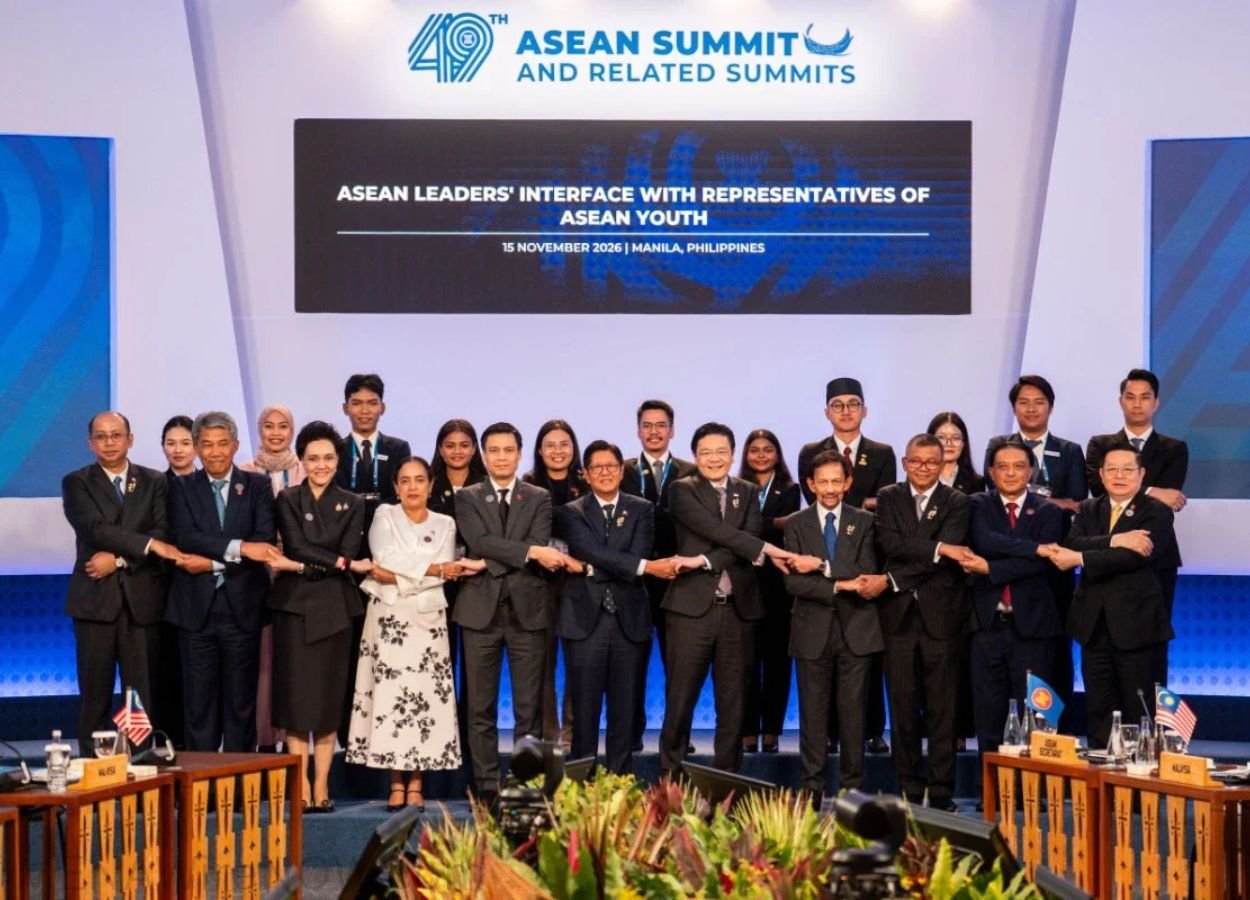
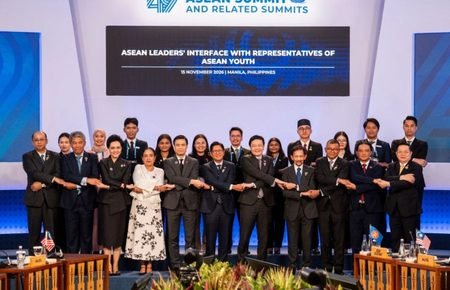
MANILA — Southeast Asian leaders condemned ongoing attacks on civilians in Myanmar and voted on Sunday to extend an existing ban barring the country’s top leadership from attending regional summits. Convening in the Philippine capital for their annual three-day gathering, heads of state from the 11-member Association of Southeast Asian Nations (ASEAN) issued the sharp rebuke after evaluating Naypyidaw’s persistent failure to implement a 2021 regional peace blueprint.
The diplomatic censure underscores deepening frustration across the bloc over Myanmar’s protracted civil conflict, which has destabilized the region since the military ousted Aung San Suu Kyi’s elected government in February 2021. Under the extended restriction, Myanmar’s ruler and foreign minister remain excluded from high-level ASEAN summits until authorities demonstrate tangible progress in fulfilling the five-point consensus—a framework mandating an immediate cessation of hostilities and inclusive dialogue mediated by a regional envoy. Consequently, Myanmar is restricted to non-political representation by lower-ranking career diplomats in Manila, having already forfeited its scheduled turn to hold the bloc’s rotating chairmanship this year to the Philippines.
In their joint statement, ASEAN leaders voiced grave alarm over stalled peace efforts, urging Myanmar’s armed forces, security apparatus, and rival armed groups to halt targeted strikes against non-combatants and civilian infrastructure while fostering mutual trust. Addressing journalists in Manila, Philippine Foreign Secretary Theresa Lazaro—serving as ASEAN’s special envoy to Myanmar—noted that aerial bombardments and civilian displacement continue unabated, adding that the bloc will closely monitor incremental steps toward resolving the crisis. The humanitarian toll remains severe: independent monitoring by the Assistance Association for Political Prisoners documents more than 8,600 fatalities and 32,406 detentions by security forces as of Friday, following last month’s warning from a United Nations human rights investigator accusing military-backed authorities of deliberately terrorizing civilians into submission.
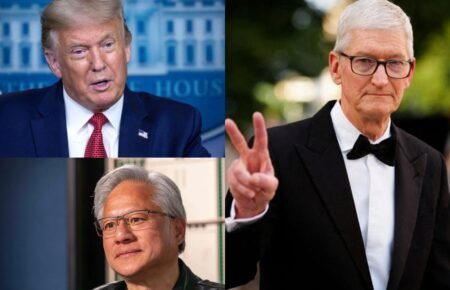
Meanwhile, Myanmar’s leader Min Aung Hlaing—who transitioned from army chief to president in April following phased elections widely dismissed by international critics as a sham designed to entrench military rule—has pursued bilateral outreach across five ASEAN states, including Thailand, Malaysia, and Vietnam. Although ASEAN has not barred member states from hosting those bilateral visits, regional leaders reaffirmed that the five-point peace plan remains the sole benchmark for resolving the political crisis. While the bloc indicated it could consider gradually restoring Myanmar’s full political representation contingent upon sustained, concrete compliance, the conflict continues to dominate diplomatic discussions in Manila alongside scheduled talks with global leaders led by US President Donald Trump.



No Comment! Be the first one.