



Further Israeli military units have forced even more Palestinian families to leave their homes in the southern West Bank, exacerbating a humanitarian situation that has arisen due to the security lockdown. The new actions have involved densely populated areas such as the Abu Sneineh area and the Jaber area, where the military personnel have taken a multi-story building containing about fifty people and turned it into a military observation point. In another case, a family of ten people was forced out of their homes before the military took the house for themselves as barracks.
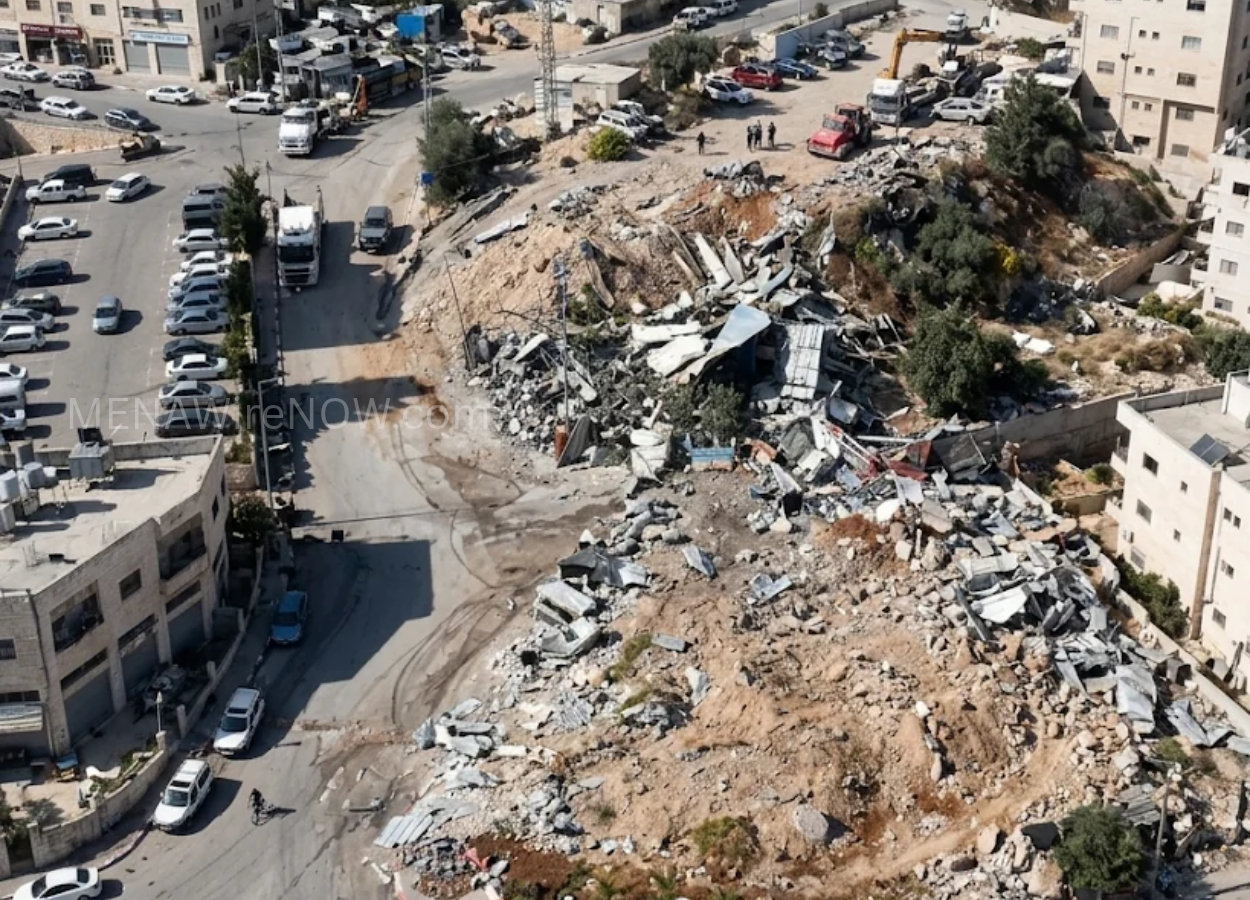
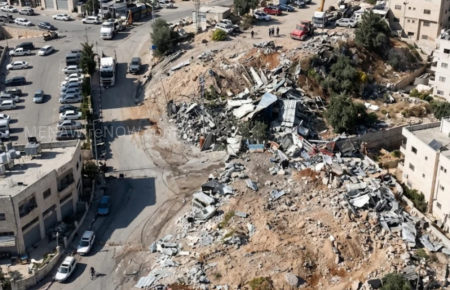
This new development comes despite previous news on the reduction of the number of security forces after an eleven-day military operation. Local humanitarian monitors indicate that over 4,000 residents have been uprooted from their homes since the unrest intensified, leaving many families seeking temporary refuge with relatives or in makeshift shelters across the surrounding governorate. Returning residents have frequently discovered widespread property damage and structural destruction left in the wake of the security sweep.
According to municipal authorities, these security measures form part of a broader crackdown triggered by localized security incidents that left military personnel casualties. The timing of the intensified raids coincides with preparations for upcoming religious events, during which thousands of Israeli visitors are anticipated to gather in the area, creating further security friction. Community leaders and regional analysts note that the persistent operations have heavily restricted civilian movement, disrupted local commerce, and deepened economic strain throughout the historic commercial hub.
Human rights organizations have voiced mounting concern over the recurring displacement cycles, warning that structural restrictions and forced evictions severely aggravate conditions for vulnerable groups, including children, patients, and the elderly. Meanwhile, residents across affected neighborhoods face prolonged uncertainty as commercial life remains largely paralyzed and infrastructure repairs are repeatedly delayed by ongoing security controls.




No Comment! Be the first one.