





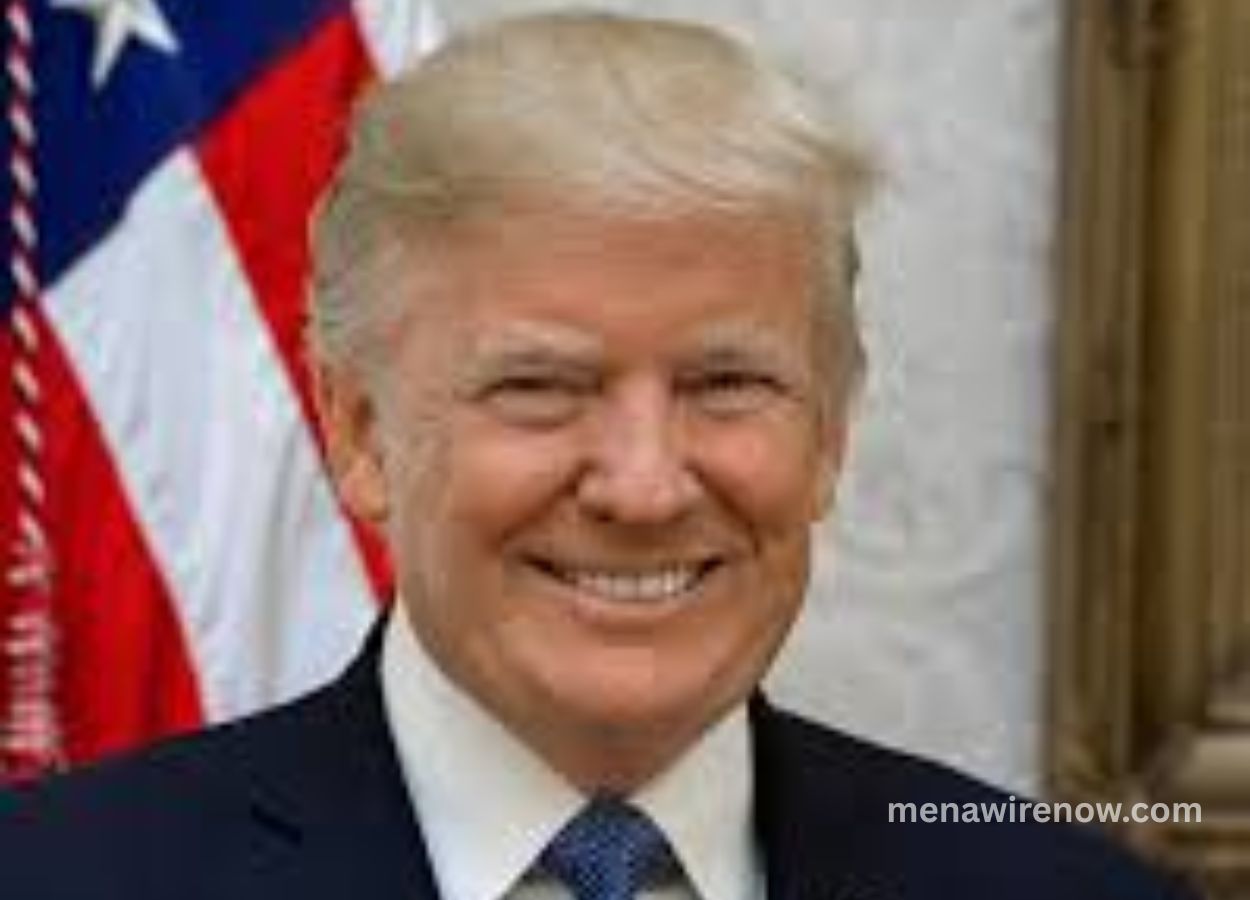
President Donald Trump is facing a challenging dilemma of foreign policy following the devastating loss in the midterm elections, a rout which the president conceded was largely affected by public frustration about the continuing war against Iran.
The loss of the Republicans’ majority in Congress has drawn a lot of attention to America’s strategic presence in the Middle East. Even as oil continues to pass through the Strait of Hormuz escorted by the US Navy for international ships, the war effort has expanded to become a full-fledged theatre of war on many fronts. Hostilities continue, involving Iran-supported Houthi factions fighting a Saudi-led coalition in the Red Sea.
Previously, the White House signaled readiness to escalate bombardments should Tehran refuse a diplomatic settlement on American terms. However, analysts note that the domestic political costs of the conflict have shifted the White House’s calculus. Former intelligence specialists suggest that while political restraint may loosen now that the midterms have concluded, the underlying strategic objectives regarding Iran’s nuclear ambitions remain unchanged. Meanwhile, regional stakeholders and international observers are closely watching how Washington will balance domestic political pressures with its long-term security commitments in the Gulf.
In response to the shifted political landscape, regional officials have expressed growing concern over potential shifts in American strategy. Senior Yemeni government figures emphasized that the security threats posed by Tehran and its regional proxy networks have not vanished following the US electoral results. Local leadership has urged Washington to maintain stability and avoid impulsive military adjustments that could further destabilize fragile Mideast defense alliances.
Simultaneously, international energy markets remain highly sensitive to any tactical shifts in Washington’s naval operations. Gulf nations continue to press for clearer diplomatic frameworks to secure vital commercial maritime routes as Congress prepares for heightened oversight of the administration’s Middle East posture.

No Comment! Be the first one.