




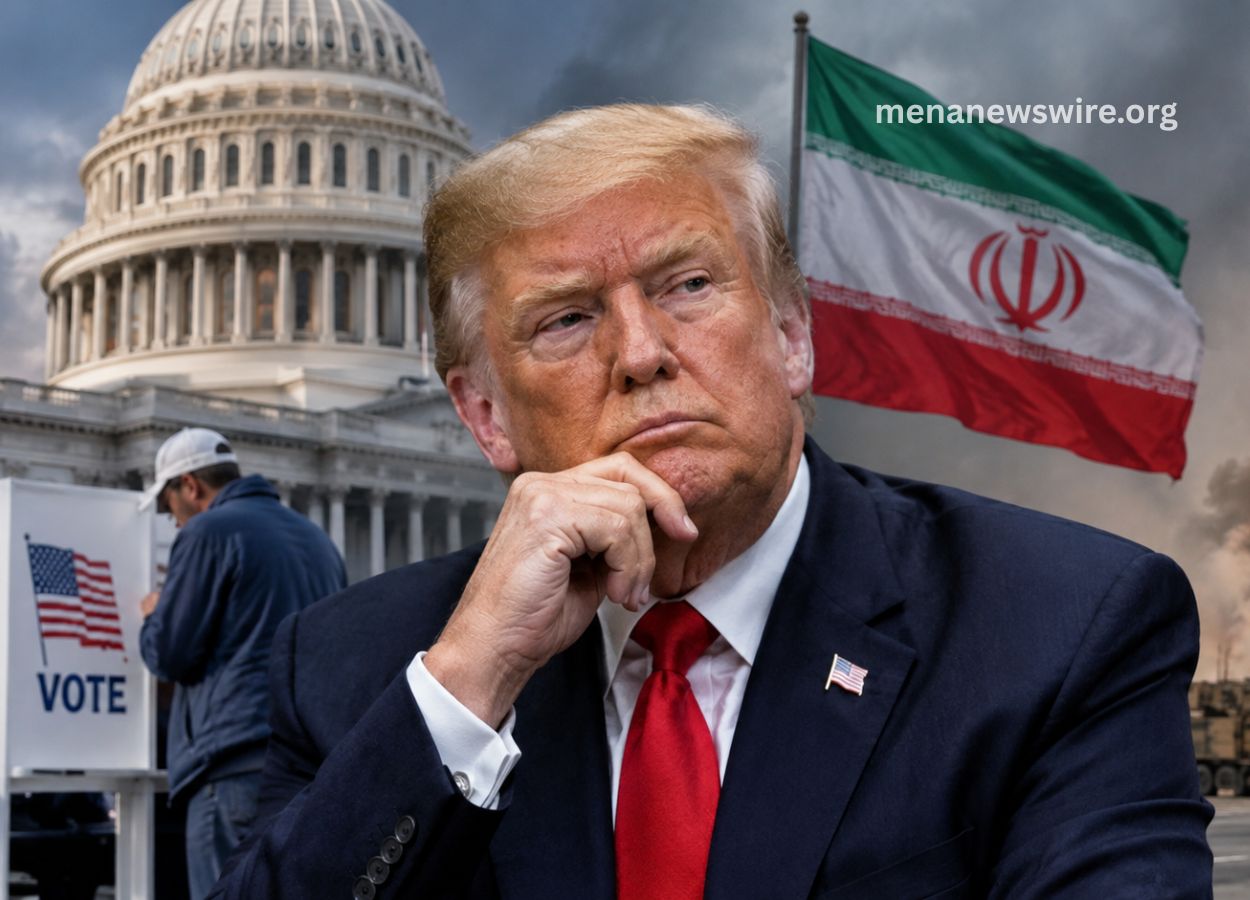
WASHINGTON — US President Donald Trump faces a pivotal crossroads in his administration’s Middle East strategy following a historic Democratic sweep of both houses of Congress in the midterm elections. With shifting political dynamics in Washington, the White House must now choose between pursuing a negotiated diplomatic exit or launching a strategic military escalation against Iran.
The election outcome has significantly altered the executive branch’s room for maneuver. Senior political leaders, including Vice President JD Vance, publicly attributed the Republican defeat to public frustration over the ongoing military campaign and spiking global energy prices driven by tensions surrounding the Strait of Hormuz. Incoming Democratic leaders in the House and Senate have pledged robust oversight, signaling impending legislative pressure on war authorizations and defense expenditures.
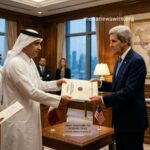
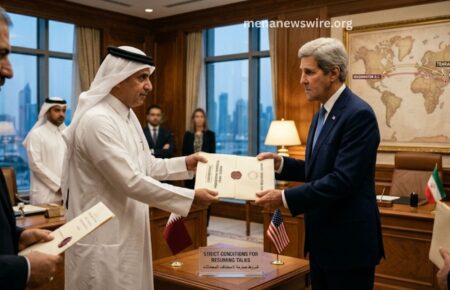
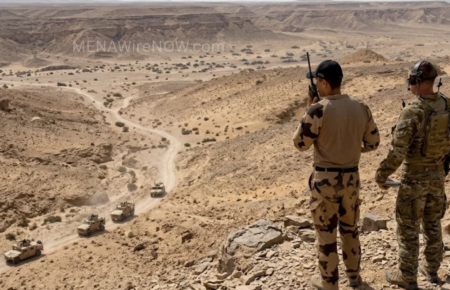
The administration is weighing competing strategic paths. One approach involves backing interim diplomatic talks mediated by regional partners, which could offer limited sanctions relief and restore maritime navigation through critical shipping routes. Alternatively, hardliners within military planning circles advocate for high-impact strikes against heavily fortified Iranian nuclear infrastructure—such as the underground facility at Pickaxe Mountain near Natanz—to compel a tactical concession before the new Congress convenes.
Tehran has maintained a firm diplomatic stance, with Supreme Leader Mojtaba Khamenei rejecting concessions under US military pressure and demanding a complete lifting of the naval blockade on Iranian ports. As international energy markets fluctuate in response to Washington’s political realignment, foreign policy analysts emphasize that any decision made in the coming weeks will define the region’s security architecture for years to come.




No Comment! Be the first one.