





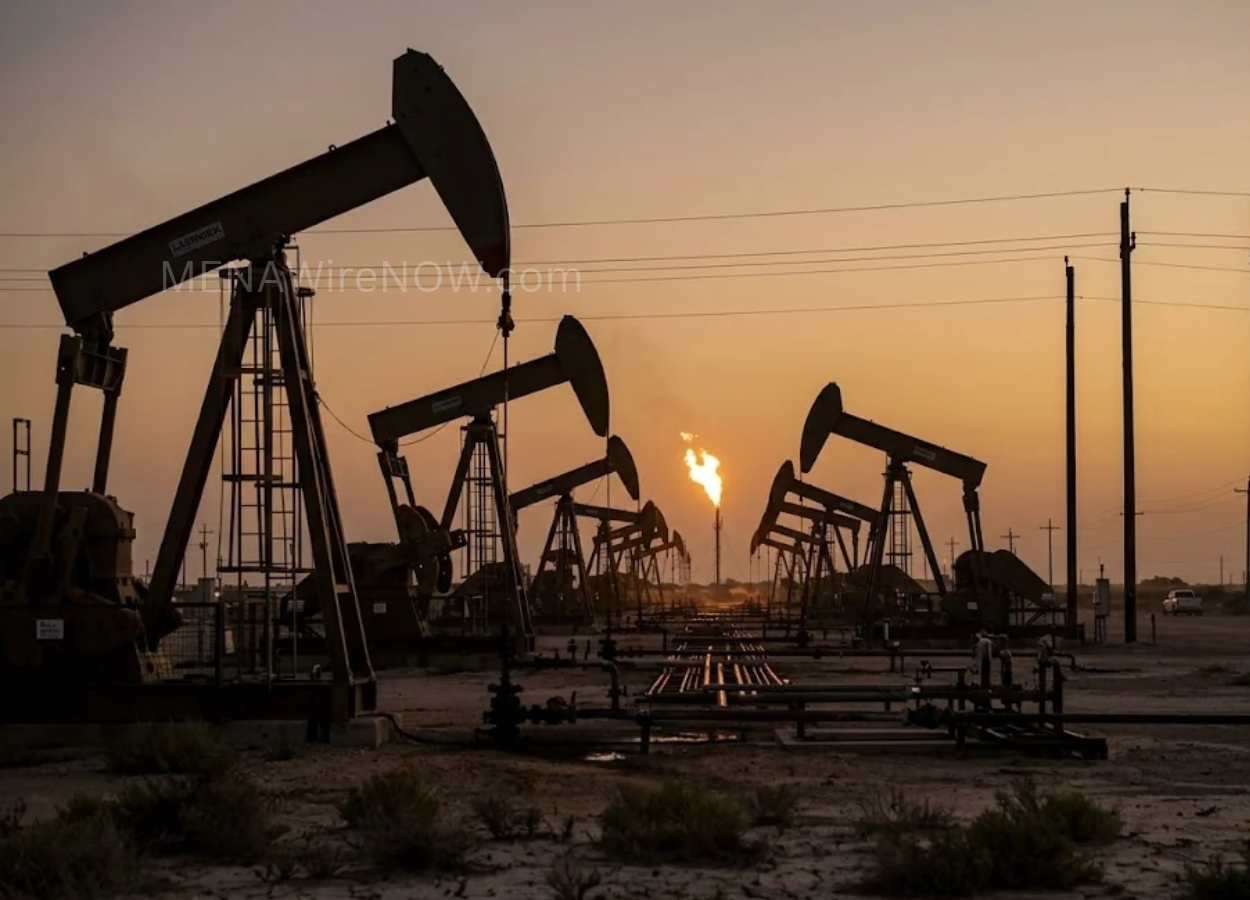
The global oil benchmarks underwent a marked decline, dropping by more than three percent due to the response of the energy markets to the fresh signs of diplomacy in the Middle East region. This trend emerged right after the extensive multi-day talks held between the officials from Iran and Qatar, bringing some hope for the possibility of a diplomatic solution of the long-standing US-Israeli conflict with Iran.
The international benchmark Brent crude futures fell considerably, losing $3.68, or 3.2 percent, to close at $109.75 per barrel. At the same time, the benchmark of America, the West Texas Intermediate (WTI) crude, witnessed a similar decline, falling $3.43, or 3.3 percent, to $100.69 per barrel. These market pullbacks arrive after Brent closed out October hovering near a dramatic six-month peak. That preceding surge had been heavily fueled by intensifying anxieties over potential supply disruptions and a broader regional escalation, particularly ahead of crucial political milestones such as the United States midterm elections.
Financial analysts note that the current price contraction serves as a necessary technical adjustment following weeks of aggressive upward momentum. Market strategists point out that the ongoing third consecutive day of dialogue facilitated by Doha, combined with a temporary lull in aggressive military actions over the weekend, successfully stripped away an immediate layer of geopolitical risk premium from energy valuations.
Meanwhile, broader industry dynamics continue to shape the global macroeconomic landscape. The Organization of the Petroleum Exporting Countries and its allies (OPEC+) have opted to hold their scheduled December production targets steady. This conservative stance underscores a collective producer reluctance to drastically alter output quotas while geopolitical volatility surrounding Iranian crude flows remains unresolved. Furthermore, market observers emphasize that sustainable price stability will ultimately depend on concrete policy outcomes rather than short-term market sentiment. Energy traders remain vigilant, monitoring whether these diplomatic channels can translate into lasting structural resolutions or if upcoming political and supply adjustments will trigger fresh market turbulence.



No Comment! Be the first one.