




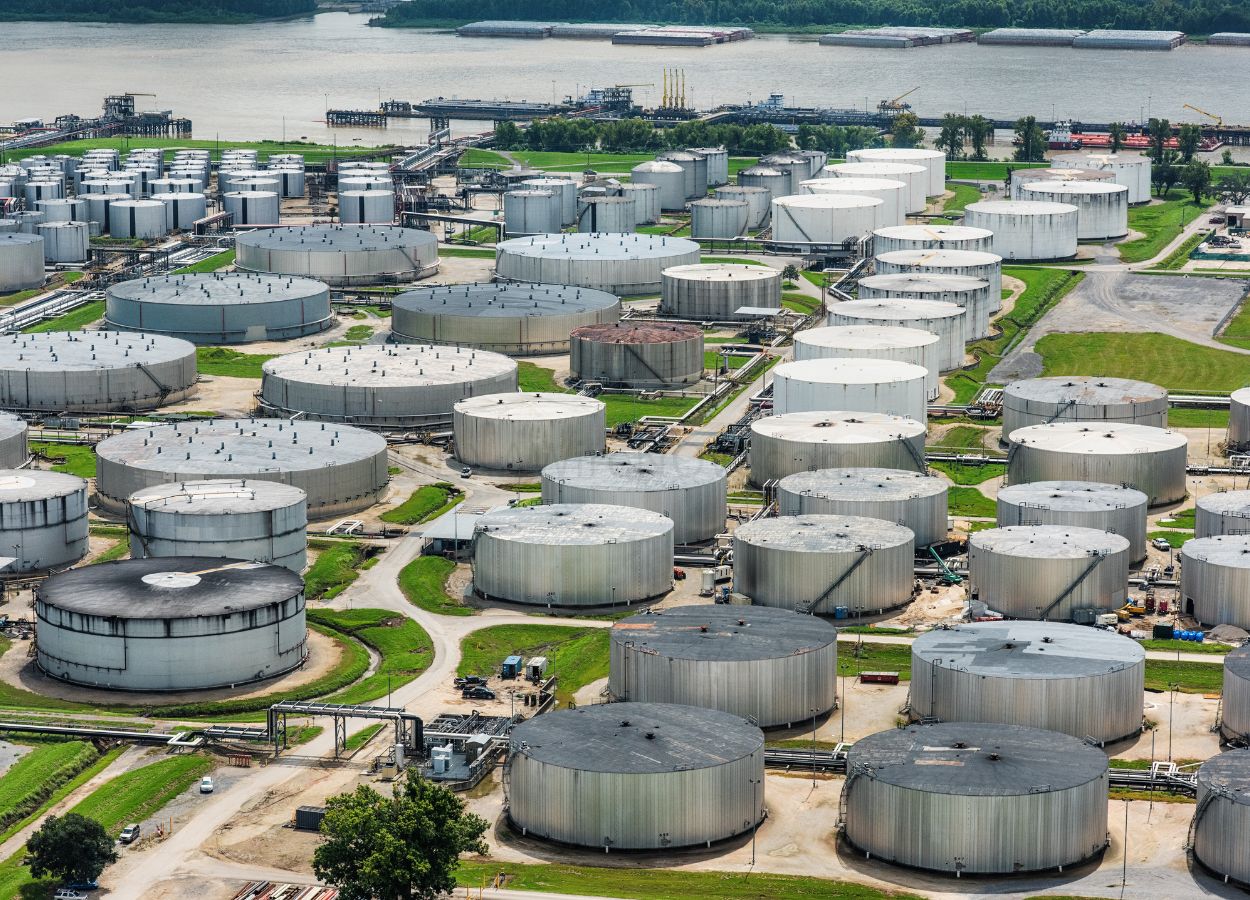
Saudi Arabia and Singapore have announced plans to establish a crude oil storage arrangement in Singapore, aiming to strengthen energy security and improve the resilience of oil supplies across Southeast Asia.
The proposed arrangement will involve storing Saudi crude oil at the Jurong Rock Caverns on Singapore’s Jurong Island, with operations expected to begin in the second half of 2027. The stored reserves are intended to help Singapore meet its energy requirements if supply disruptions occur, while also strengthening the reliability of Saudi crude oil deliveries to regional markets.
The initiative was jointly announced by Saudi Arabia’s Ministry of Energy and Singapore’s Ministry of Energy and Trade and Industry. It represents a new stage in bilateral energy cooperation between the two countries.
Memorandum marks first step towards implementation
To advance the proposal, Singapore’s Energy Market Authority and JTC Corporation exchanged a memorandum of understanding with Saudi Arabian Oil Company, commonly known as Saudi Aramco, during Singapore International Energy Week (SIEW).
The memorandum establishes an initial framework for progressing the proposed storage arrangement. Singapore’s energy and trade ministry and Saudi Arabia’s Ministry of Energy will work together with relevant organisations to coordinate the next stages and prepare for implementation.
Further operational details, including the planned storage capacity, the volume of crude oil to be held and the commercial terms of the arrangement, were not specified in the announcement.
The expected start date in the second half of 2027 indicates that preparatory work will continue before the storage operations become active.
Jurong Rock Caverns to host Saudi crude reserves
The proposed facility will use the Jurong Rock Caverns, an underground storage complex located beneath Jurong Island, Singapore’s major energy and chemicals hub.
Storing crude oil at the site is intended to provide Singapore with an additional layer of protection against potential disruptions to energy supplies. Access to stored reserves can help provide flexibility when international shipping, production or other supply-chain challenges affect deliveries.
For Saudi Arabia, the arrangement is expected to strengthen the supply chain serving Southeast Asia by adding a storage option closer to important regional trading and refining markets.
The announcement did not establish how much crude oil would be held in the facility or whether the reserves would be subject to specific release conditions. Those details are expected to form part of the further coordination required to implement the arrangement.
Strengthening regional energy security
Singapore occupies an important position in global energy trade because of its location along major maritime routes connecting the Middle East with Asian markets. Its role as a regional trading, refining and logistics centre makes dependable access to crude oil an important consideration for energy security.
The proposed Saudi storage arrangement would support that role by creating an additional mechanism for managing supply risks. It could also improve flexibility across the regional oil supply chain, depending on the final operating arrangements.
For Saudi Arabia, maintaining reliable access to key Asian markets is significant given Southeast Asia’s position in international energy commerce. Cooperation on storage infrastructure can help connect producers, trading centres and consumers through more resilient supply networks.
A new phase in Saudi-Singapore energy cooperation
The initiative reflects a shared interest in strengthening energy resilience and developing practical cooperation between the two countries. It also recognises Singapore’s importance as a regional energy hub and Saudi Arabia’s role as a major crude oil supplier.
The planned storage arrangement remains at an early stage, with implementation work and coordination among the participating entities still required. Its eventual contribution to energy security will depend on the final capacity, operating rules and procedures for accessing the stored crude.
With operations targeted for the second half of 2027, the proposal marks a significant step towards closer cooperation on oil storage and regional supply-chain resilience.


No Comment! Be the first one.