




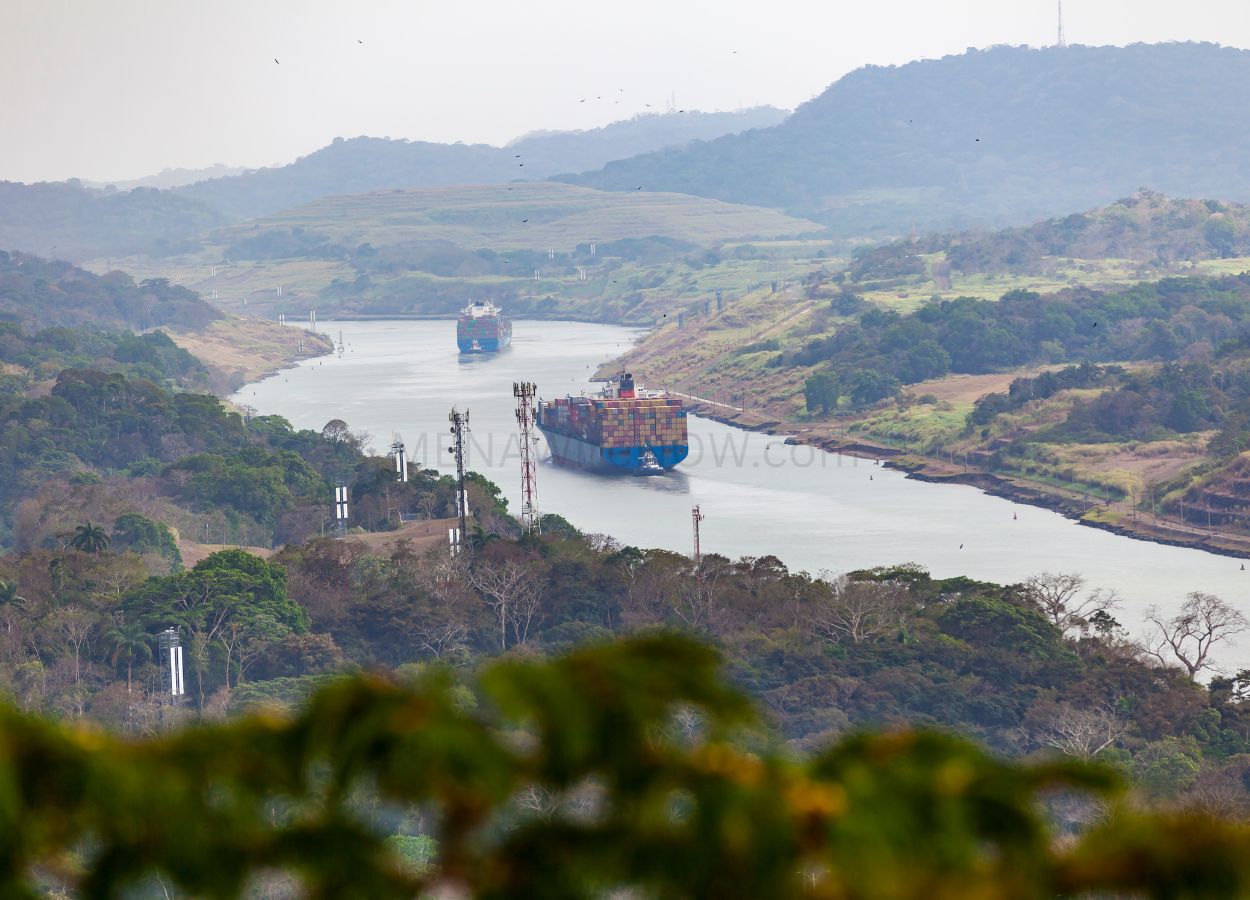
The Panama Canal generated $6.6 billion in revenue during fiscal year 2026, marking a 16.6% increase from the previous year as shipping activity strengthened across key maritime sectors, according to the Panama Canal Authority.
Table Of Content
The fiscal year ended in September, with the authority reporting 13,951 vessel transits between October 2025 and September 2026. The total represented a 4.1% rise year on year, supported primarily by increased activity involving energy shipments and container vessels.
Panama Canal Administrator Ilya Espino de Marotta said the results demonstrated the waterway’s ability to respond to rising demand for international maritime trade while adapting to environmental pressures, including the effects of the El Niño weather phenomenon.
The figures highlight the canal’s continuing importance to global shipping and Panama’s economy. The waterway provides a shortcut between the Atlantic and Pacific oceans, allowing vessels to avoid the longer journey around the southern tip of South America.
Vessel traffic and cargo volumes increase
Alongside the increase in transits, total vessel tonnage reached 521 million tons during the 2026 fiscal year, measured under the Panama Canal Universal Measurement System (PC/UMS).
The growth in traffic was driven largely by energy-sector shipping and container vessels, according to the authority. These segments play an important role in connecting major production centres, manufacturing hubs and consumer markets through international supply chains.
The canal’s performance is closely linked to global trade patterns, including demand for energy transportation and containerised goods. Changes in shipping volumes, vessel sizes and route choices can influence the number of transits and the revenue generated by the waterway.
The reported increase in revenue outpaced the growth in vessel transits, although the authority’s announcement did not provide a detailed breakdown of income by shipping category or explain the individual contribution of toll adjustments and vessel mix.
Rainfall improvement allows more daily transits
Water availability remains a major operational consideration for the Panama Canal because its lock system depends on freshwater resources. El Niño conditions can reduce rainfall in the region, placing pressure on reservoir levels and limiting the number of vessels that can pass through the waterway.
The authority said it continued adapting its operations to these conditions while meeting demand from shipping companies.
Following improved rainfall, the canal increased its daily transit capacity to 33 slots on October 15. The adjustment followed earlier operational restrictions introduced in response to water-resource pressures.
The increase in available slots provides greater flexibility for vessel scheduling and can help shipping operators plan routes through the canal. Actual transit volumes, however, depend on demand, operating conditions and the availability of suitable passage times.
A key link in global maritime trade
The Panama Canal connects 180 maritime routes and 1,920 ports across 170 countries, according to the authority. It is particularly important for shipping between the US East Coast and Asia, as well as routes linking the Americas with Europe.
By reducing sailing distances for many journeys, the canal can help lower transit times and fuel consumption compared with alternative routes. Its performance therefore has implications for shipping costs, delivery schedules and the movement of commodities around the world.
The latest fiscal-year results indicate stronger financial performance and increased vessel activity despite continuing exposure to climate-related constraints. Maintaining reliable operations will depend in part on managing water resources, adapting transit capacity and responding to changing demand across international shipping markets.



No Comment! Be the first one.