






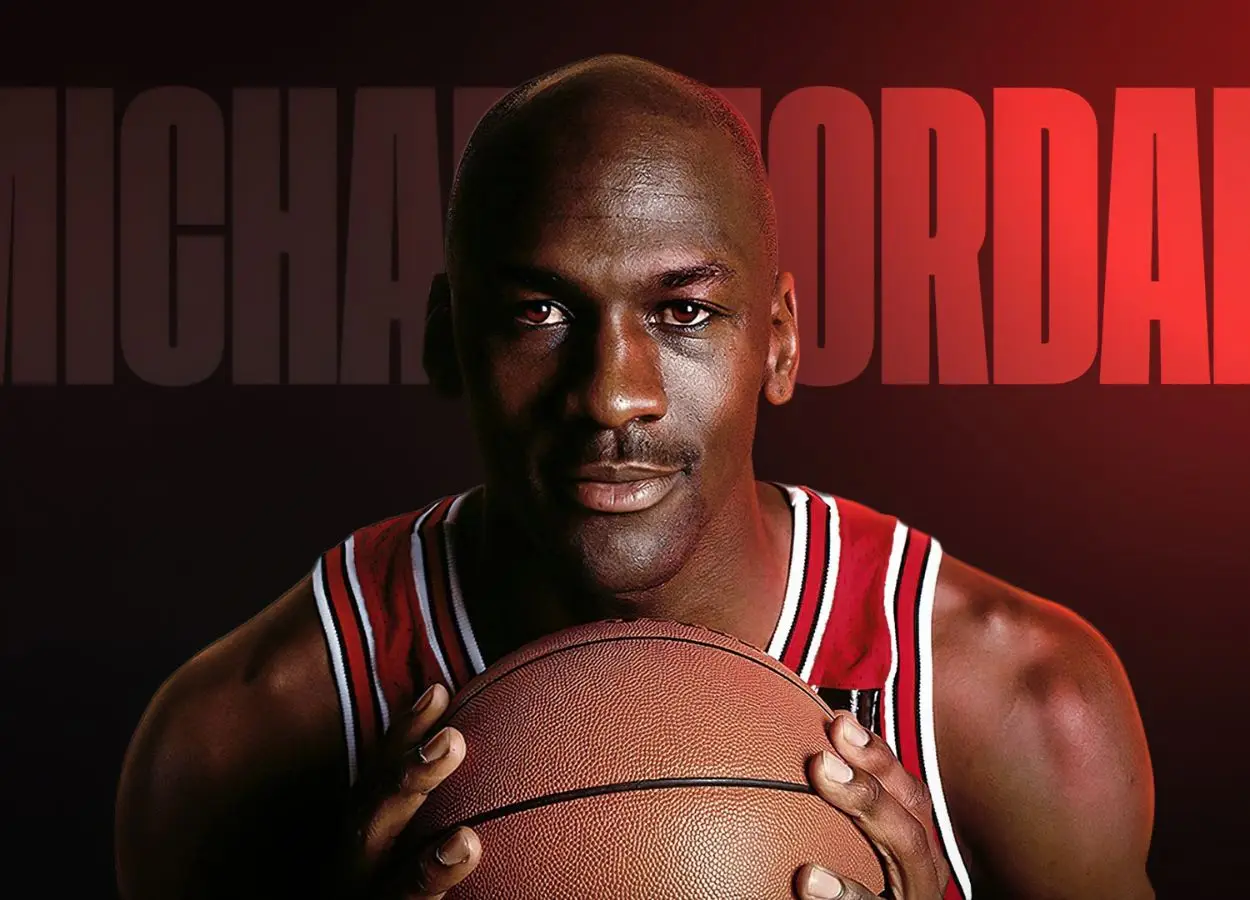
Jordan said his 2001 comeback was intended to support the NBA’s emerging stars rather than take attention away from Kobe Bryant and Tracy McGrady.
At the beginning of the 2000s, the NBA was entering a new era. The dominance of Michael Jordan had defined much of the league’s global growth during the 1990s, but a new generation was quickly emerging. Kobe Bryant, Tracy McGrady and other young stars were becoming central figures in the league’s future.
The Los Angeles Lakers were at the heart of that transition. Led by Shaquille O’Neal and Bryant, with Phil Jackson coaching from the sidelines, Los Angeles had established itself as one of the NBA’s most powerful teams. Jackson had already built his legacy with the Chicago Bulls, guiding Jordan and the franchise to six championships during the 1990s.
As Bryant’s influence grew, comparisons with Jordan became increasingly common. Many observers viewed the young Lakers guard as a potential successor to the six-time NBA champion and expected him to become one of the league’s defining players.
Jordan’s decision to return to the NBA for a second time, however, raised questions about how his presence could affect that transition.
NBA commissioner David Stern was among those concerned about the broader implications of Jordan’s comeback. The league had enjoyed enormous international attention during Jordan’s era, and its next challenge was to sustain that popularity with a new generation of players.
Jordan, though, said his intentions were not to dominate the spotlight again. Speaking in 2001, he addressed concerns that his return could interfere with the development of younger stars.
“I don’t want to overshadow the young players,” Jordan said at the time, explaining that some people had worried his participation could slow the NBA’s continued growth.
The former Bulls star said he wanted his return to serve a different purpose. Rather than competing with the league’s younger personalities for attention, Jordan described his role as one that could contribute to their progress while also allowing him to satisfy his own desire to play again.
He specifically mentioned Bryant and McGrady, two players who represented the changing face of the NBA.
Jordan said he did not want to “steal the thunder” from Bryant, McGrady and other emerging talents. In his view, those players needed room to develop their own identities and establish themselves as leading figures in the league.
His comments also reflected the unusual position he occupied at the time. Jordan was still one of the most recognisable names in global sport, even after stepping away from competitive basketball. His return therefore carried significance beyond his individual performance and had the potential to influence the attention surrounding the NBA’s younger stars.
Bryant would eventually become one of the league’s most accomplished players, building a career that included five NBA championships with the Lakers. McGrady also developed into one of the era’s most prominent offensive players.
Jordan’s 2001 return ultimately became part of that broader transition between generations. Rather than viewing his comeback as an attempt to reclaim the NBA spotlight, his own explanation was that he wanted to contribute while allowing the league’s emerging stars to continue their ascent.

No Comment! Be the first one.