






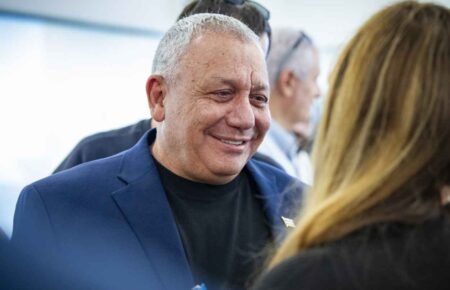
JERUSALEM — Israeli opposition figure Gadi Eisenkot pledged on Friday to move rapidly toward forming a new government to replace caretaker Prime Minister Benjamin Netanyahu, warning against prolonged negotiations as divisions persist inside his own political camp.
Appointed by President Isaac Herzog nearly two weeks ago to assemble a ruling majority after October’s inconclusive Knesset election, the former military chief faces a deadline next month and a fractured 48-seat bloc that falls short of the 61 seats required for a parliamentary majority. Writing on X, Eisenkot emphasized that he has no intention of letting talks drag on and promised to bring a government under his leadership before parliament once conditions allow, while signaling readiness to seek a minority national emergency coalition if broader talks falter.
Behind the urgency lies deep disagreement over how to bridge the political divide. Eisenkot has indicated openness to a minority arrangement relying on external backing from the 19 lawmakers in the Arab-majority Raam and Joint List factions. Nationalist lawmaker Avigdor Liberman, who sits within Eisenkot’s camp, has repeatedly rejected that route and expressed willingness instead to engage with ultra-Orthodox factions Shas and United Torah Judaism. Meanwhile, Netanyahu is pressing for a national unity government—a path that appears to have traction with key Eisenkot partner and former Prime Minister Naftali Bennett.
Eisenkot also voiced alarm over what he described as unprecedented behavior by the outgoing premier, warning that military priorities and operational timelines risk becoming intertwined with political calculations. Opposition figures have raised concerns that Netanyahu could pursue a fresh military move against Iran to disrupt coalition efforts and prolong his hold on office.
Urging lawmakers to weigh their responsibilities carefully, Eisenkot said each member of the Knesset must decide whether to enable a new administration or risk pushing the country into another election cycle under Netanyahu’s continued caretaker rule. With coalition bargaining intensifying in Jerusalem, the outcome carries major implications for Israeli domestic governance, regional security policy, and whether political deadlock deepens further.



No Comment! Be the first one.