






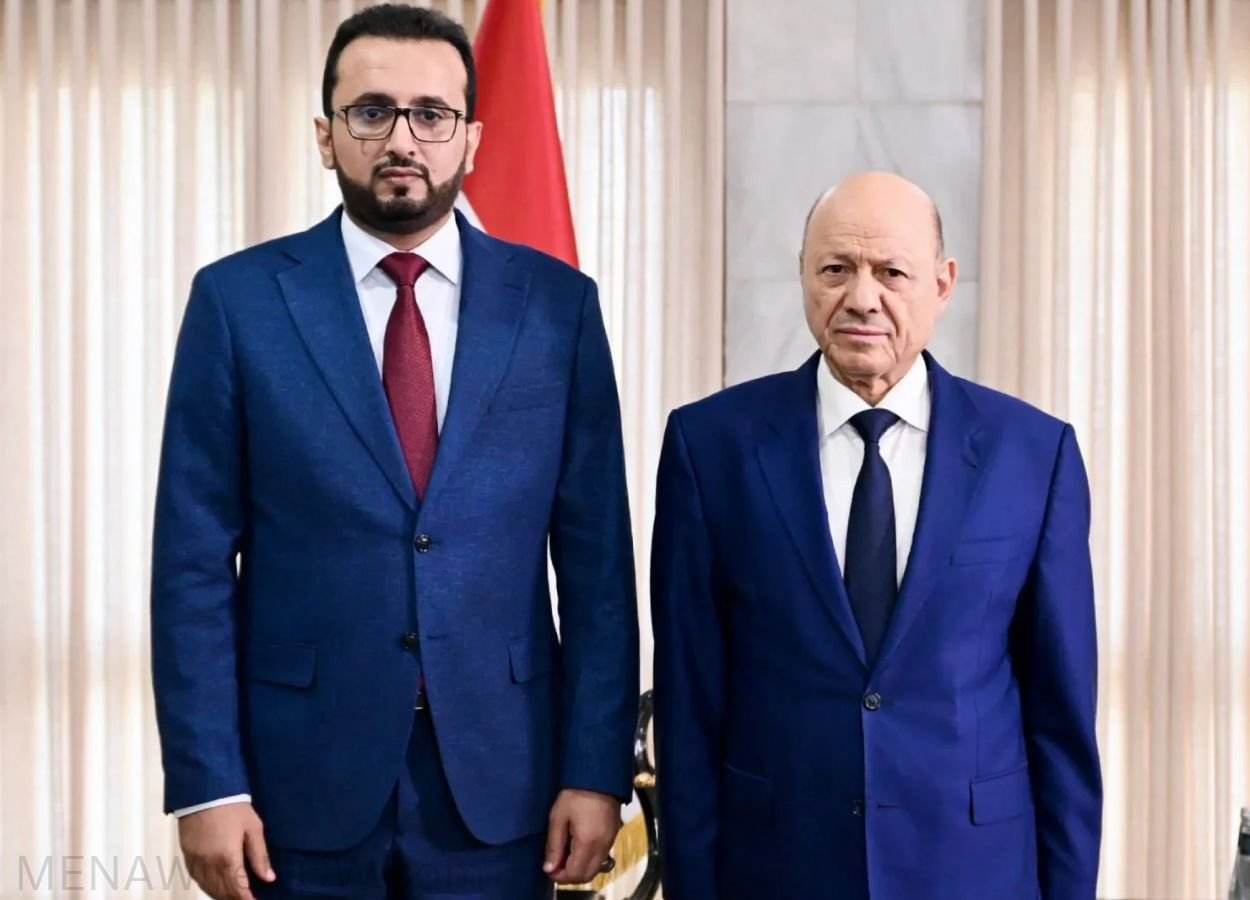
ADEN — Rebuilding public confidence in Yemen’s state media requires candid reporting that addresses citizens’ daily struggles rather than projecting an idealized version of reality, Information Minister Salem Thabit al-Awlaki said in his first interview since taking office.
Speaking to Asharq Al-Awsat, al-Awlaki identified restoring the influence of official outlets as the ministry’s primary challenge as it scales up operations from the interim capital of Aden. He pledged stronger coordination across government bodies and clearer mechanisms through official spokespersons so journalists and the public receive timely, consistent updates instead of leaving space for rumors to spread. Acknowledging that smartphones allow people to compare competing accounts rapidly, he said official status no longer earns trust on its own; credibility depends on accuracy, transparency about setbacks, and space for responsible criticism.
Turning to military affairs, al-Awlaki described coverage of Operation Yemen Dawn—part of the national effort to end the Houthi insurgency and restore state institutions—as a core duty. While urging reporters to avoid compromising operational security or sensationalizing events, he stressed that authorities should promptly clarify what can be safely shared rather than letting unverified claims fill the void. He added that coverage should document civilian hardship in Houthi-held areas and communicate clearly with regional and international audiences.
To counter Houthi efforts to reshape the conflict’s history around anti-foreign narratives, al-Awlaki said the government must rely on documented evidence rather than repetitive rhetoric. He pointed to the seizure of Sanaa in 2014, the siege of Taiz, harm to civilians, detentions of aid and United Nations workers, and threats to maritime trade as concrete realities that must be presented systematically to both domestic and global publics.
On press freedom and working conditions, al-Awlaki cautioned officials against treating legitimate criticism or harsh opinions as disinformation. He drew a line between honest reporting mistakes that merit correction and deliberate fabrication, stating that fact-checking and reliable official sourcing must not curtail journalistic rights. He also noted that many reporters face slow institutional responses, financial strain, and scarce equipment, promising to address overdue entitlements, expand training, and engage constructively across state, private, community, and independent outlets while respecting their autonomy.






No Comment! Be the first one.