






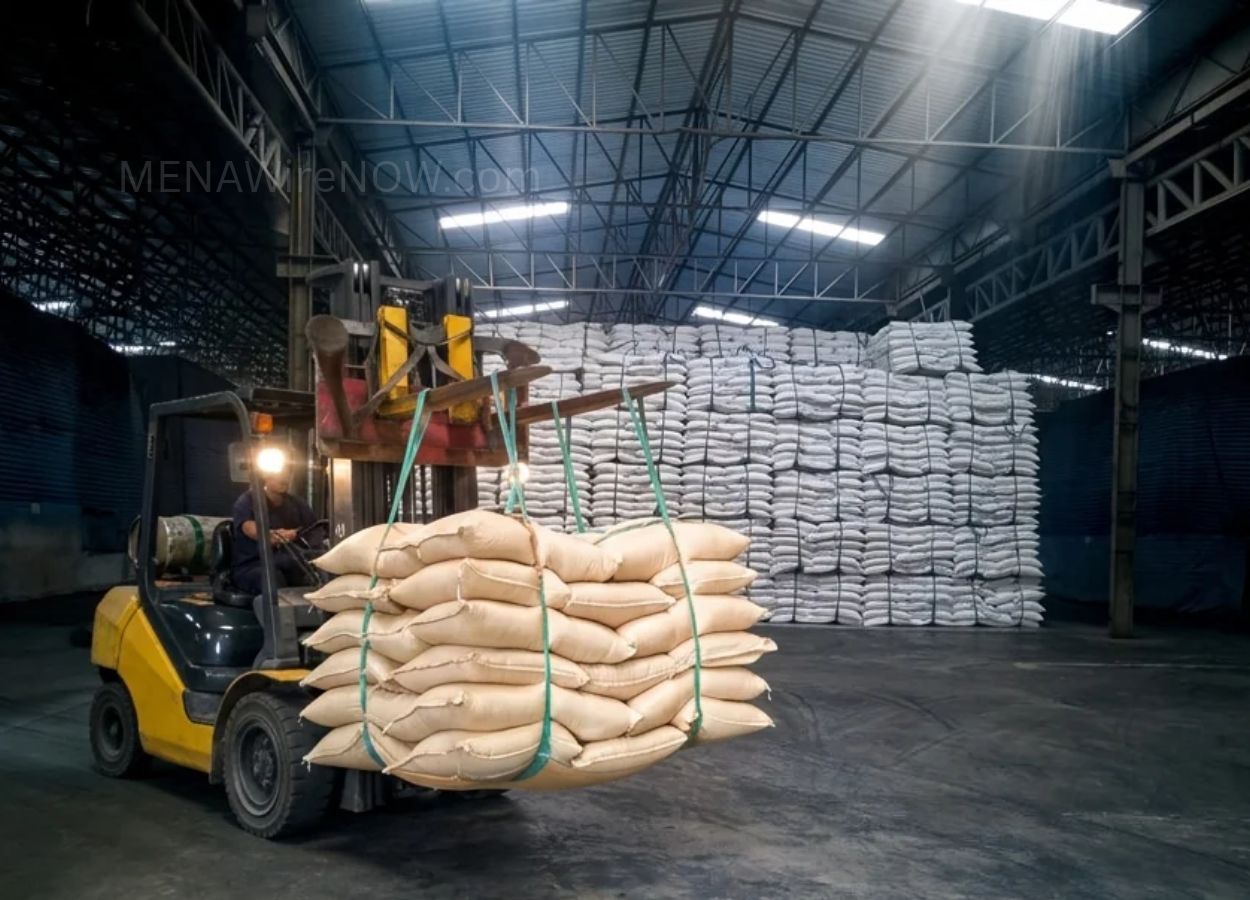
Grain traders indicate that Egypt is negotiating additional wheat shipments from Poland after agreeing last month to buy roughly 200,000 tonnes from state-backed supplier Elewarr. Polish Deputy Agriculture Minister Malgorzata Gromadzka confirmed in October that Elewarr signed an agreement in Egypt, while Elewarr Chief Executive Marcin Roszczyk stated that initial deliveries would amount to several hundred thousand tonnes before expanding.
The outreach reflects a broader push by one of the world’s top wheat buyers to widen its supply base and reduce exposure to Black Sea shipping disruptions. According to traders, state grain agency Future of Egypt has also held talks with Russian and Ukrainian officials regarding potential cargoes, with market participants estimating that government-level discussions could span up to 1 million tonnes over several months.
Ensuring reliable grain flows carries major domestic weight for Egypt, where imported wheat underpins a state bread subsidy scheme serving tens of millions of citizens. Trade data shows Russian and Ukrainian origins supplied more than 82 percent of Egypt’s wheat imports during the first half of 2026. Since early July, benchmark Chicago wheat futures have climbed over 15 percent amid Black Sea logistics challenges, prompting Cairo to look for more dependable and cost-effective long-term sourcing.
Despite active negotiations, market sources note that domestic stockpiles are currently comfortable rather than strained. Egypt procured a record volume of grain from local growers in 2026, and official statements have repeatedly maintained that existing reserves cover local needs for multiple months. After returning to international purchasing in recent weeks with cargoes from countries such as France and Bulgaria, Future of Egypt has favored direct bilateral talks over large international tenders—a shift that began when it assumed strategic wheat import duties from the General Authority for Supply Commodities in 2024.
Even so, several traders expressed skepticism that diplomatic negotiations would yield massive volumes, noting that commercial pricing or private-sector execution would likely still be required. Commercial terms for the Polish transaction—including whether market prices, state financing, barter mechanisms, or concessions apply—remain unverified, and Future of Egypt, Elewarr, and Polish authorities did not respond to requests for comment.






No Comment! Be the first one.