






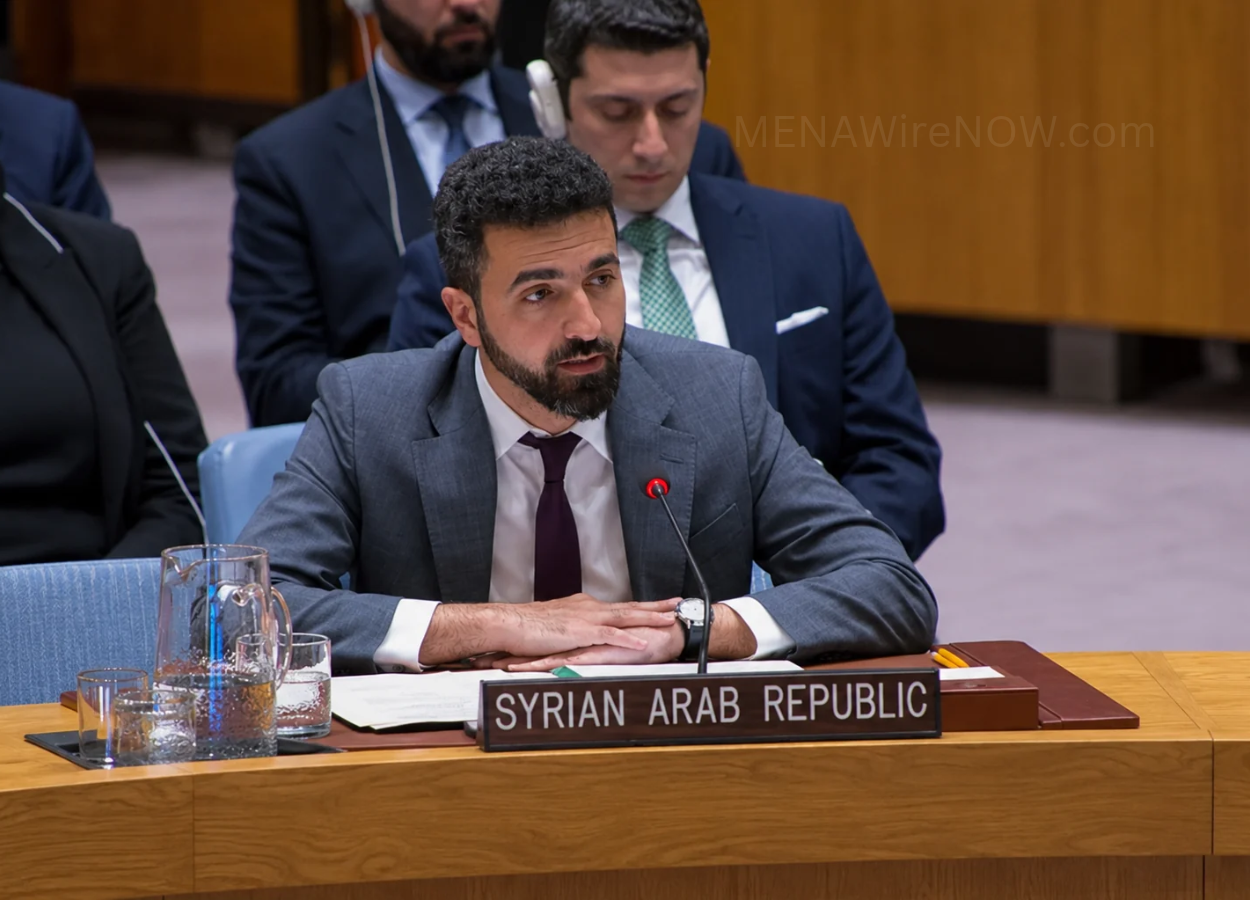
Syrian authorities have praised the latest UN resolution supporting the country’s human rights efforts, terming the unanimous measure as a turning point that acknowledges real changes since the end of the war. The document, passed by the Third Committee of the UN Assembly, represents a radical change from many years of repressive resolutions directed against the previous government and signals a new approach of the international community in helping Syria recover.
In the last nearly 11 years, UN resolutions on Syria have concentrated mostly on the condemnation of the violations taking place under deposed president Bashir al-Assad. The new resolution focuses on the stabilization measures implemented since December 2024, including the restoration of the institutional capacities, reforming the judicial system, and ensuring active participation of citizens in the political process. Addressing the committee after the vote, Syria’s permanent representative stated that the resolution reflects global recognition of efforts to rebuild state institutions, establish a Constitutional Court, phase out ad hoc tribunals, and safeguard freedoms of expression, assembly, and association.
Broader diplomatic and humanitarian developments frame the committee’s decision. According to statements surrounding the resolution, roughly 1.8 million refugees and more than two million internally displaced people have returned home since December 2024. Supporters also pointed to Syria’s entry into the Global Coalition to Defeat ISIS, efforts to curb the regional Captagon drug trade, and steps toward re-engaging with international chemical weapons and nuclear safeguards bodies.
At the same time, the text underscores that challenges persist. While welcoming cooperation with UN investigators and extending the mandate of the Commission of Inquiry for another year, delegates noted ongoing security pressures, lingering humanitarian needs, and concerns over attacks affecting civilians. For families returning to damaged neighborhoods and regional governments watching border stability, the resolution carries practical weight: international backing and reconstruction assistance increasingly hinge on whether legal reforms, accountability mechanisms, and security measures translate into lasting protection for all Syrians.





No Comment! Be the first one.