




The third edition of the Unaizah Camel Auction has concluded in Saudi Arabia’s Qassim Region, attracting more than 25,000 visitors and strengthening commercial activity linked to camel trading, traditional crafts and cultural tourism.
Table Of Content
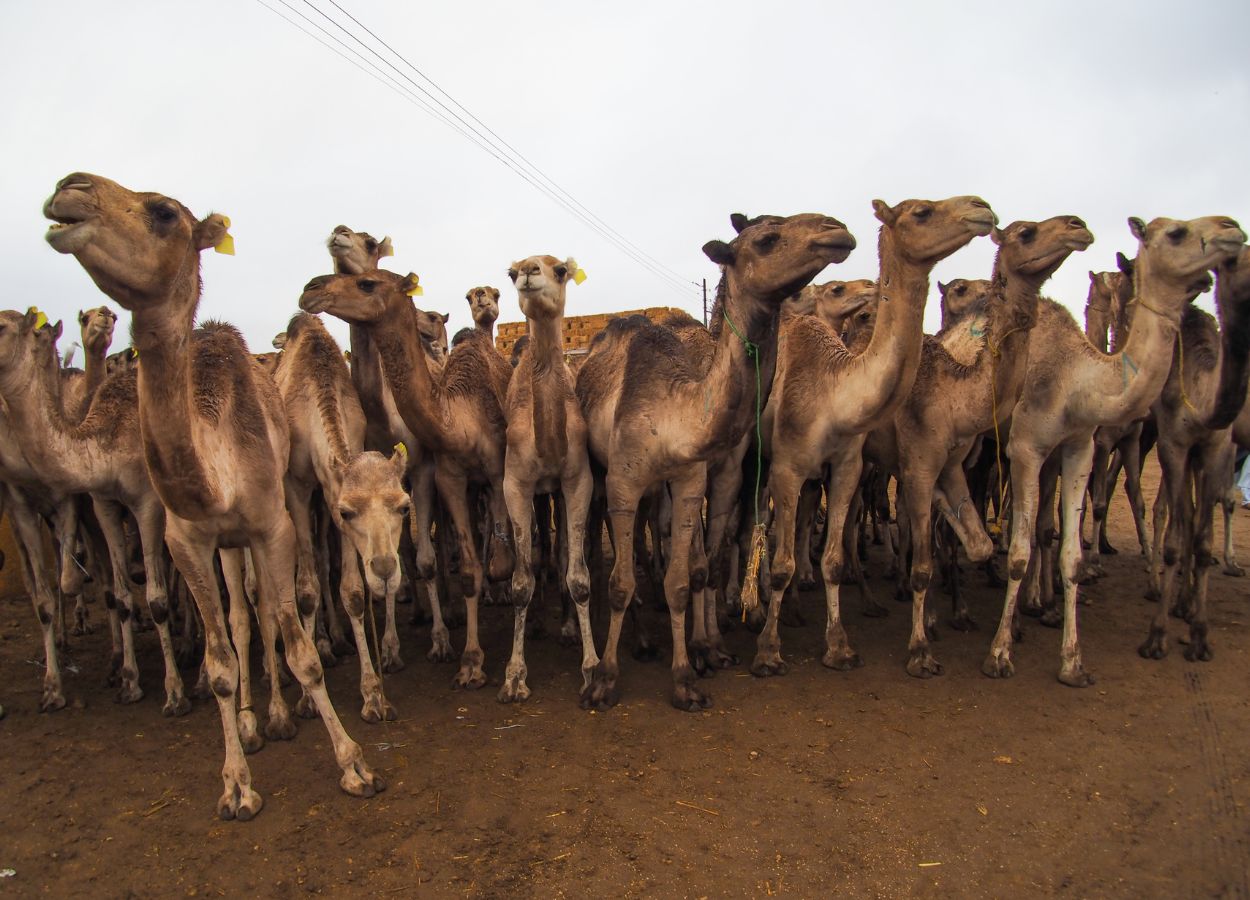
The event brought together camel owners, breeders, enthusiasts and visitors, with auction rings featuring more than 100 camels each day. The turnout highlighted public interest in Saudi Arabia’s camel heritage and the economic opportunities associated with traditional livestock markets.
Held across approximately 1.2 million square metres in Unaizah Governorate, the venue was located at the intersection of King Fahd Road and Prince Mohammed bin Salman Road. Its facilities included designated auction rings, visitor service areas and an exhibition featuring 26 camel sculptures distributed throughout the district.
The event combined livestock trading with cultural attractions and opportunities for local businesses, positioning the auction as a platform for both heritage preservation and economic activity.
Auction facilities support commercial activity
The large venue provided dedicated spaces for presenting camels to prospective buyers and conducting sales. The daily auctions enabled owners and breeders to showcase their animals while giving traders and enthusiasts a central location to engage with the camel sector.
Organised auction areas and visitor facilities were designed to accommodate commercial transactions alongside public attendance. The event’s scale also created opportunities for visitors to explore aspects of Saudi Arabia’s traditional relationship with camels.
Camels have long held cultural and economic significance across the Arabian Peninsula, featuring in traditional transport, livestock trading and heritage practices. Events such as the Unaizah auction provide a setting where these traditions can continue while attracting interest from new audiences.
The exhibition of 26 camel sculptures added a cultural dimension to the marketplace, complementing the trading activities and offering visitors an additional attraction within the district.
Thirty families benefit from dedicated market spaces
The auction also supported local entrepreneurship by providing dedicated commercial spaces for 30 families involved in home-based and small-scale production.
These businesses were able to display and market locally produced goods to visitors attending the event. The initiative helped connect traditional crafts and cottage industries with the wider commercial activity generated by the auction.
Providing market access to small businesses can help local producers reach customers beyond their usual networks. The participation of these families also broadened the event’s economic reach beyond livestock transactions, linking camel heritage with local products and visitor spending.
Although the announcement did not specify the total value of sales generated by participating businesses, the dedicated spaces created an opportunity for small-scale producers to benefit from the influx of visitors.
Heritage tourism supports local development
The conclusion of the third edition forms part of broader efforts to preserve Saudi Arabia’s camel heritage while expanding cultural and economic activities across Unaizah Governorate.
By bringing together livestock traders, cultural displays and local entrepreneurs, the auction created a setting where traditional practices could be presented alongside commercial opportunities. The event also demonstrated how heritage-focused gatherings can support local businesses and encourage visitors to engage with regional traditions.
The reported attendance of more than 25,000 people and the daily offering of over 100 camels underline the event’s reach. However, organisers did not disclose detailed figures for total auction sales, visitor spending or the overall economic contribution to the governorate.
The event’s combination of camel trading, cultural exhibits and small-business participation reflects an approach to heritage tourism that connects preservation with local economic development.





No Comment! Be the first one.