






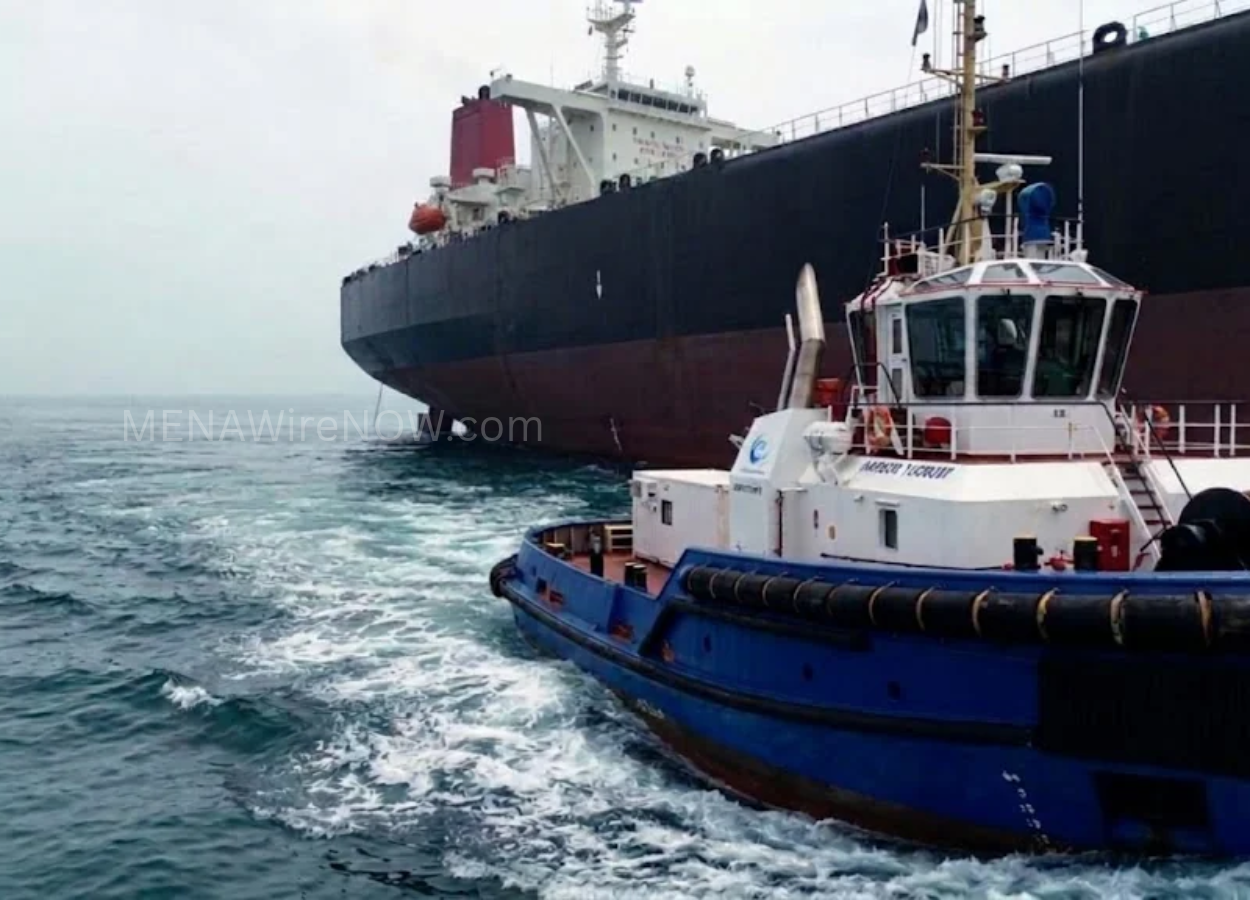
Security issues in the Arabian Gulf have escalated further since Friday after the intervention of the Islamic Revolutionary Guard Corps Navy, which stopped two tankers of crude oil, which were sailing south of the Strait of Hormuz.
As per reports from military officials of Iran, the interception was made as the ships were found to be sailing with their required automatic identification and navigational systems switched off. It was said that the tankers were trying to avoid following the maritime laws by taking illegal routes through the strategic waterways. The interception was made after many radio warnings were given by the navies operating in the region.
The Strait of Hormuz is one of the most important maritime chokepoints in the world, as it carries a significant amount of oil from Middle East oil suppliers. Any disruption, security enforcement, or geopolitical flashpoint within these waters immediately reverberates across global energy markets, heightening anxiety among international shipping operators, regional governments, and commercial logistics firms.
Defense analysts note that maritime traffic management in the narrow Gulf passage requires strict compliance with transit guidelines to prevent accidental escalations between commercial vessels and state naval forces. The latest incident highlights the fragile security equilibrium governing regional waterways, where heightened monitoring by security forces frequently leads to confrontations over navigation rights and vessel tracking compliance.
Industry stakeholders emphasize that insurance premiums for commercial vessels navigating the regional passage often rise sharply following such military interventions. To mitigate operational risks, commercial shipping firms are increasingly re-evaluating risk assessments, advising vessel captains to maintain uninterrupted tracking broadcasts, and coordinating more closely with international maritime safety agencies to avoid unexpected detentions.
As details surrounding the operational identities of the detained vessels and the nationalities of their crew members remain scarce, international maritime monitors are closely assessing the situation. Further updates are expected as authorities continue their investigation into the exact circumstances surrounding the unauthorized passage attempt and subsequent enforcement action.





No Comment! Be the first one.