





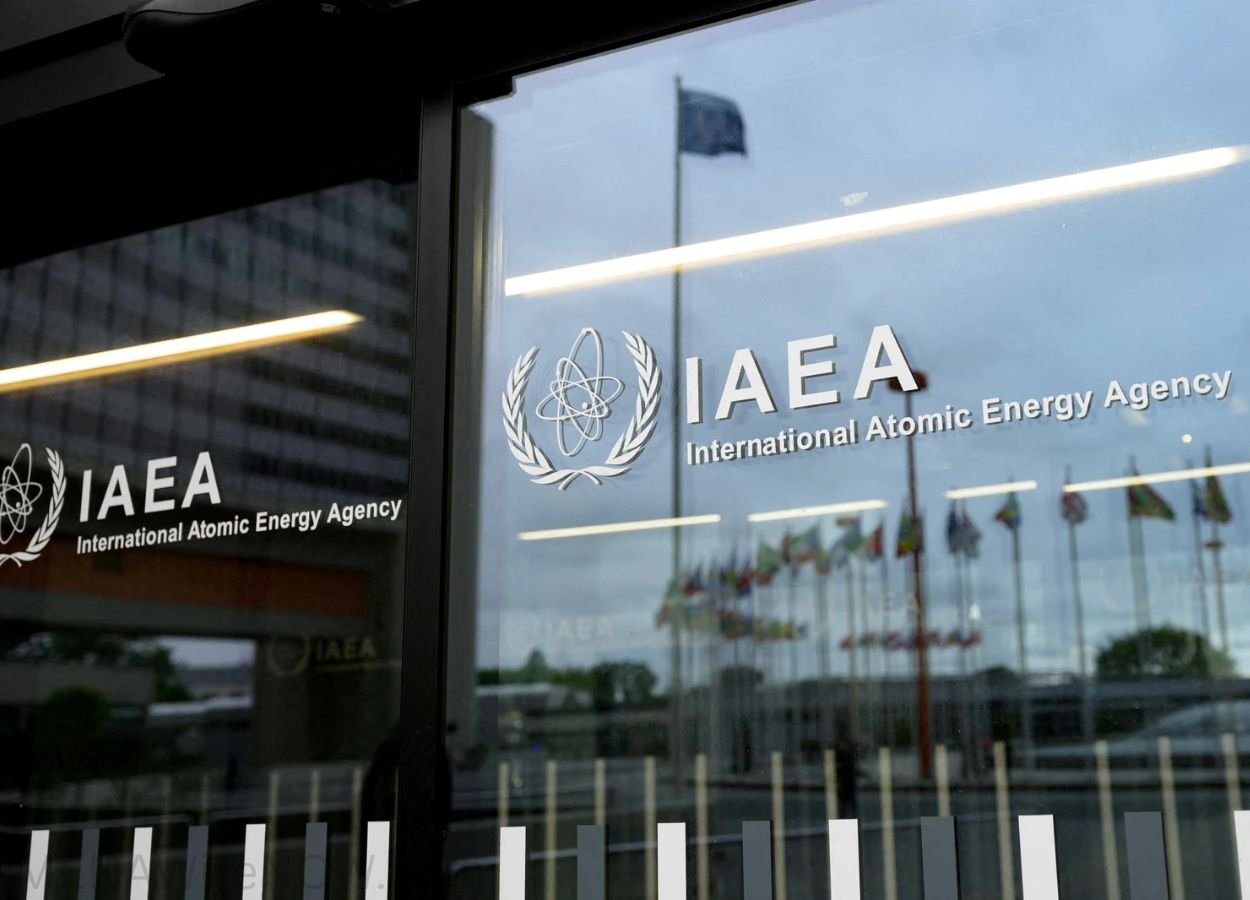
VIENNA — The United Nations nuclear agency has urged Tehran to adopt “incremental steps” toward permitting international monitors back into its primary nuclear installations, warning that resuming on-site verification is “critical” to resolving mounting proliferation concerns. In a confidential report circulated to member states on Friday ahead of next week’s Board of Governors meeting, the International Atomic Energy Agency (IAEA) emphasized that technical and gradual measures are urgently required to establish conditions for normal safeguards implementation and build confidence toward a broader diplomatic settlement.
International inspectors have been locked out of Iran’s core enrichment facilities for well over a year following severe military escalations across the region. Oversight collapsed after Israel and the United States waged a 12-day conflict against the Islamic Republic in June 2025 that directly struck nuclear infrastructure, followed by renewed strikes on atomic sites during the wider war that broke out on February 28. Aside from a single monitoring visit to the Bushehr nuclear power plant in September, IAEA personnel have been denied access to all other declared installations.
While acknowledging that military attacks on atomic facilities created an unprecedented operational environment, the Vienna-based watchdog stated that Tehran’s lack of cooperation leaves the agency unable to verify that declared nuclear material has not been diverted from peaceful uses. The report specifically underscored deepening alarm over the Isfahan Fuel Enrichment Plant—an underground facility declared last year that inspectors have never been permitted to examine—noting that the agency cannot confirm its exact status or whether it houses nuclear material. Calling the information blackout a matter of serious proliferation concern that demands immediate rectification, the agency detailed ongoing diplomatic correspondence with Iranian authorities aimed at breaking the impasse.
The deadlock previously prompted the IAEA Board of Governors in September to formally refer Iran to the UN Security Council over safeguards non-compliance, marking the first such referral in two decades. Prior to the June 2025 bombardments, IAEA assessments estimated that Iran held roughly 440 kilograms of uranium enriched to 60 percent purity—a short technical step away from the 90 percent threshold required for nuclear weapons, and far exceeding the 3.67 percent cap established under the defunct 2015 nuclear accord. Because verification activities have remained frozen since mid-2025, the current whereabouts and condition of that highly enriched stockpile remain entirely unverified. Tehran has consistently maintained that its atomic program is strictly peaceful and denies seeking nuclear weapons.




No Comment! Be the first one.