






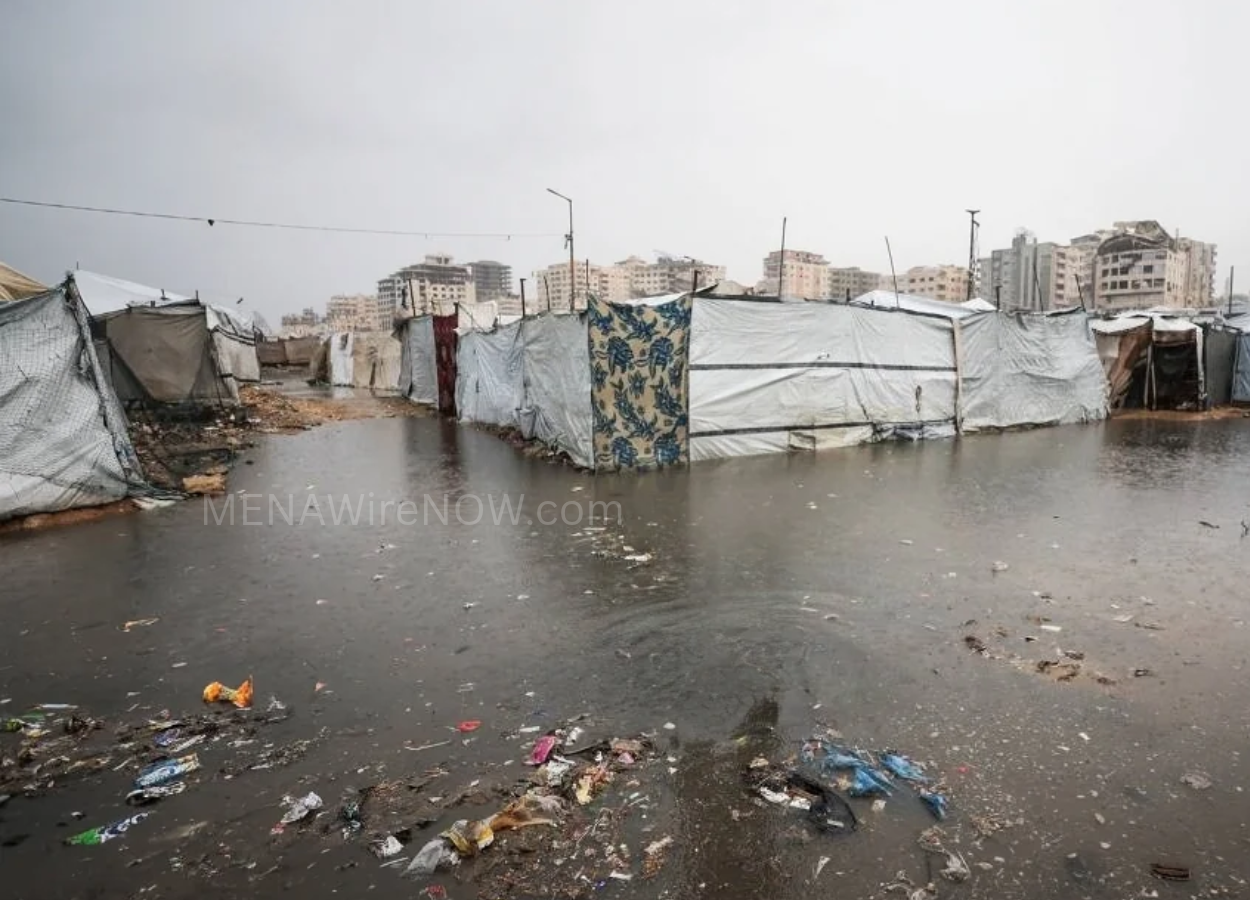
According to the Palestinian Water Authority and reports from the Palestinian news agency WAFA, more than 320,000 soakaway pits endanger water supplies and lives of people in the Gaza Strip, because due to destruction of the sanitation infrastructure, the displaced families have to create their own cesspools right next to their tents and houses.
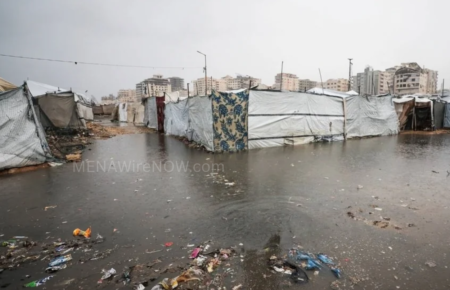
Municipal waste disposal problems originated from the warfare launched in October 2023, leaving heaps of untreated waste in the overcrowded shelters. In the absence of sewage networks, the stagnant water accumulates much faster than it can be absorbed into the soil.
Palestinian Water Authority data shows that all five major wastewater treatment plants in Gaza have shut down, while only 18 of 74 sewage pumping stations operate even partially. More than 80 percent of water infrastructure and roughly 700 kilometers of sewer lines have been damaged or destroyed, reducing sewage network coverage from above 85 percent to around 45 percent. Daily discharges of untreated wastewater reach about 55,000 cubic meters, with roughly 40,000 cubic meters flowing into the sea and the remainder entering surrounding land and damaged conduits.
Displaced residents told WAFA that households lack affordable options to empty full pits due to shortages of vacuum tankers, spare parts, machinery and maintenance supplies amid ongoing Israeli import restrictions. Resident Mahmoud Abdel Nabi said his family repeatedly digs new pits beside their tent because emptying them is unaffordable, leaving relatives dealing with skin and respiratory illnesses linked to damp, contaminated surroundings.
Safety hazards are equally urgent for children playing near crowded camp areas where safe spaces are scarce. Resident Maher Barhoum warned that makeshift covers made of worn metal sheets, wood or plastic deteriorate easily in wet weather, and noted that children and youths have suffered injuries and deaths after falling into poorly secured pits.
Rainfall compounds the threat by washing sewage toward shelters and water access points. Resident Thaer Baraka reported that wastewater is seeping near wells and pumping sites, with residents observing discolored water, higher salinity and visible impurities. A recent storm mixed rainwater with sewage in parts of Gaza City’s Unknown Soldier area, Al-Mawasi in Khan Younis and central and northern Gaza, raising fears that heavier winter rains could flood tents with contaminated water.

No Comment! Be the first one.