






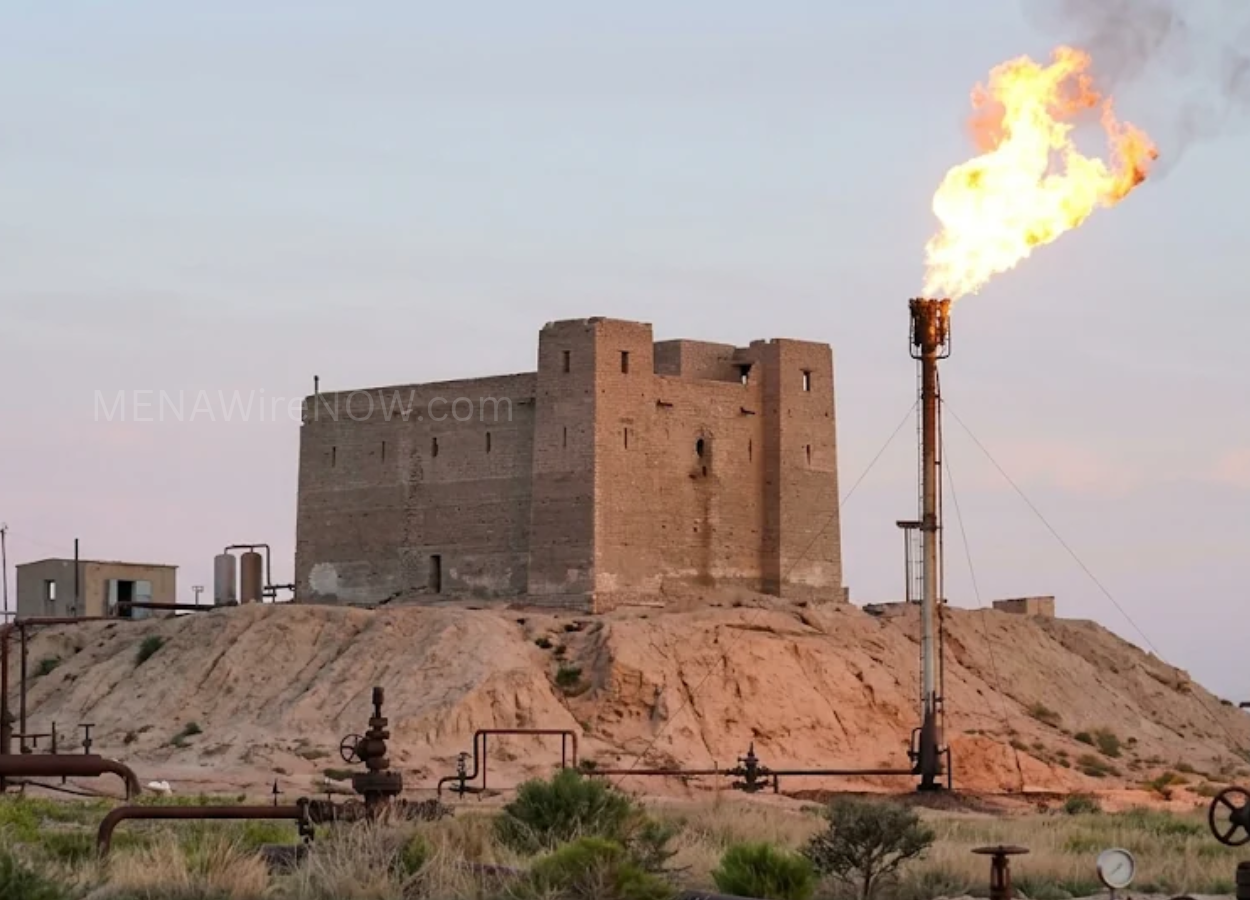
The resumption of oil exports via Iraq’s major northern pipeline route towards Turkey has begun after a suspension of 12 years that has had a greatly negative impact on energy exports in the region.
Senior Iraqi government officials have stated that the important energy route from Kirkuk to Ceyhan has started moving oil and has been launched at a modest level of 120,000 barrels per day. The prime minister’s office also explained that the country officially plans to gradually increase this level to 500,000 barrels per day over time.
The resumption of oil flows through the Kirkuk-Ceyhan pipeline should therefore be seen as a major positive development for the oil industry in Iraq after a decade of disruption. The route had been paralyzed following extensive infrastructure damage sustained during years of conflict, notably amplified by militant destruction and regional geopolitical instability. For over twelve years, Baghdad was forced to find alternative, often costlier, transport vectors to dispatch its petroleum resources to international markets, resulting in substantial financial losses for the federal treasury.
Energy analysts across the Gulf and broader Middle East view the development as a major economic victory for Baghdad. Reviving the northern conduit diversifies export options away from southern terminals and the congested Strait of Hormuz, offering greater resilience against ongoing regional maritime tensions. Furthermore, the restored pipeline provides the semi-autonomous Kurdistan Regional Government and federal authorities a dependable mechanism to monetize northern petroleum deposits jointly, easing long-standing fiscal disputes over revenue sharing.
The rehabilitation project involved extensive safety certifications, structural overhauls, and complete restoration of damaged pumping stations along the Turkish border. International energy markets responded favorably to the news, seeing it as a stabilizing factor for global crude supply chains. As pumping rates steadily climb toward the targeted half-million-barrel milestone, the reopening is expected to inject billions into Iraq’s national economy, fund crucial public infrastructure projects, and cement stronger bilateral energy cooperation between Ankara and Baghdad.



No Comment! Be the first one.