





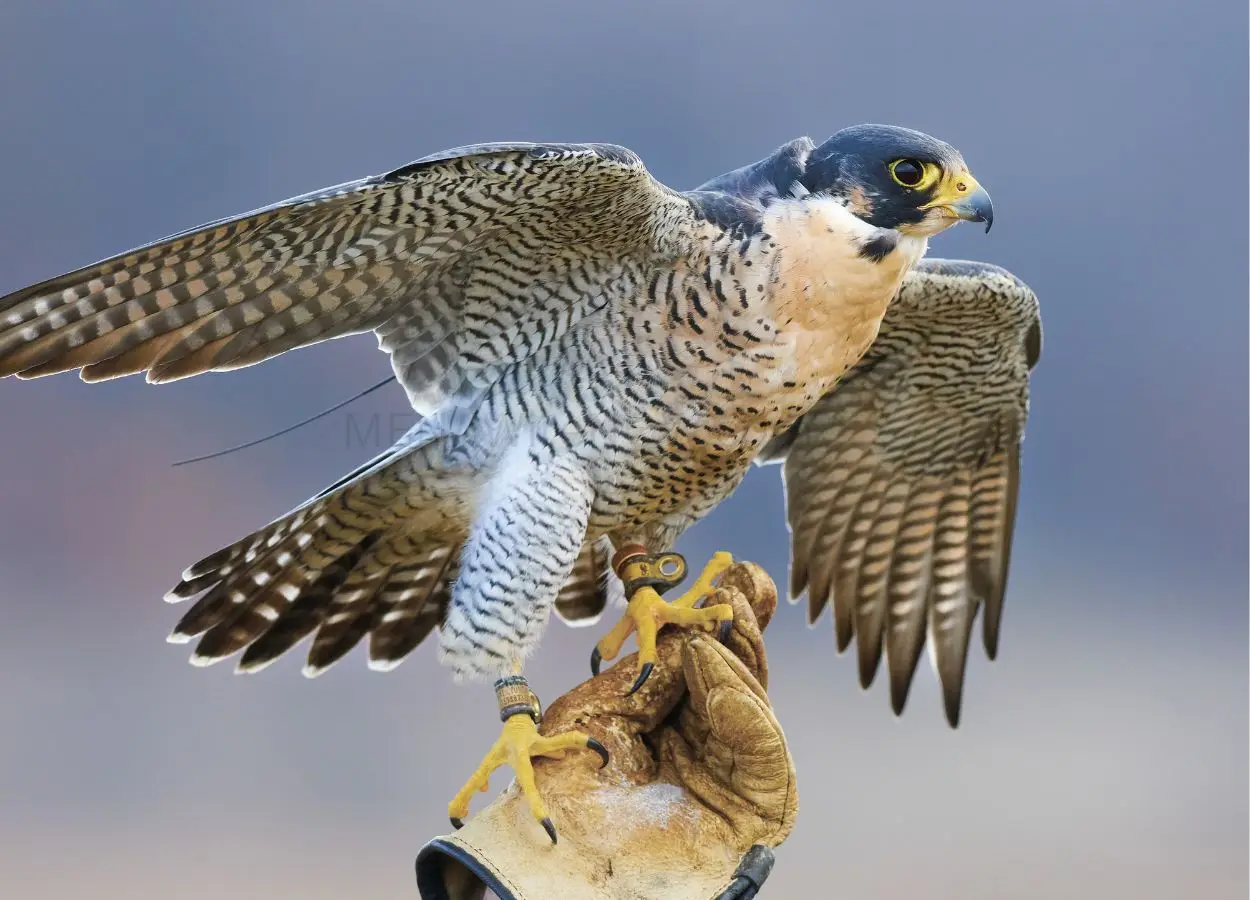
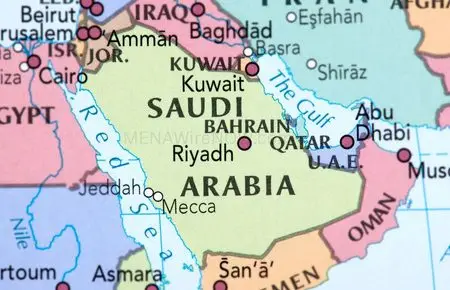
A young peregrine falcon captured in Al-Dabdaba, near Hafar Al-Batin in Saudi Arabia, fetched SAR106,000 on the third evening of the National Center for Falcons Auction 2026, attracting strong interest from falconry enthusiasts. The bidding began at SAR60,000 before reaching the final sale price of SAR106,000 on Monday.
The sale highlighted the continued demand for wild-caught migratory falcons at the annual auction, which provides a dedicated platform for falcon trappers and buyers. Organised by the National Center for Falcons, the event is scheduled to continue until November 30, with wild-caught birds being received over a two-month period.
The falcon sold was a young peregrine, locally known as a farkh shaheen, captured by a team of four falcon trappers. Its price rose during the live bidding session as participants competed to secure the bird.
The auction operates under specific eligibility rules designed to support the management and preservation of falcon populations. Only young migratory peregrine falcons caught in the wild within Saudi Arabia are accepted. Mature peregrines, referred to as qarnas, and saker falcons are excluded from the event.
According to the centre, these restrictions are intended to support sustainability and preserve falcon bloodlines. By limiting participation to a particular category of wild-caught birds, the auction follows a defined framework for the trade and handling of falcons during the capture season.
Falconry has a longstanding place in the cultural heritage of Saudi Arabia and other Gulf countries. Auctions of this kind bring together falcon trappers, collectors and enthusiasts, providing a formal setting in which birds can be presented and sold through competitive bidding.
The National Center for Falcons is continuing to receive eligible birds throughout the current season. Its regional teams are responsible for welcoming falcon trappers and helping them complete the process of presenting their birds at the auction.
Support services are also available to participating trappers. The centre covers accommodation and transportation to the auction venue, helping facilitate their participation from different regions of the Kingdom.
Once a falcon has been registered and prepared for sale, it is presented in a live bidding session. The competitive format allows prospective buyers to make offers in real time, with the final price determined by the bidding process.
The event is also accessible to people who cannot attend in person. Auction sessions are broadcast through television channels and the centre’s social media accounts, allowing falconers and other interested viewers to follow the proceedings remotely.
The broadcasts extend the auction’s reach beyond the venue and provide an opportunity for enthusiasts to observe the prices achieved by individual birds. The centre’s online channels also provide a way for audiences to follow activity throughout the event.
The SAR106,000 sale from Al-Dabdaba was recorded on the auction’s third night, as the event continued to attract buyers and falconry followers. The initial bid of SAR60,000 and the final price of SAR106,000 reflected the competition surrounding this particular bird, although the announcement did not provide details about the winning buyer.
With the auction continuing until November 30, additional eligible peregrine falcons are expected to be presented during the remaining sessions. The centre’s stated focus remains on supporting falcon trappers, maintaining the event’s eligibility requirements and promoting the sustainability of falcon populations.
The latest sale adds to the auction’s activity during the 2026 season, bringing attention to Saudi Arabia’s falconry tradition and the organised marketplace that connects wild-caught falcons with interested buyers.




No Comment! Be the first one.