





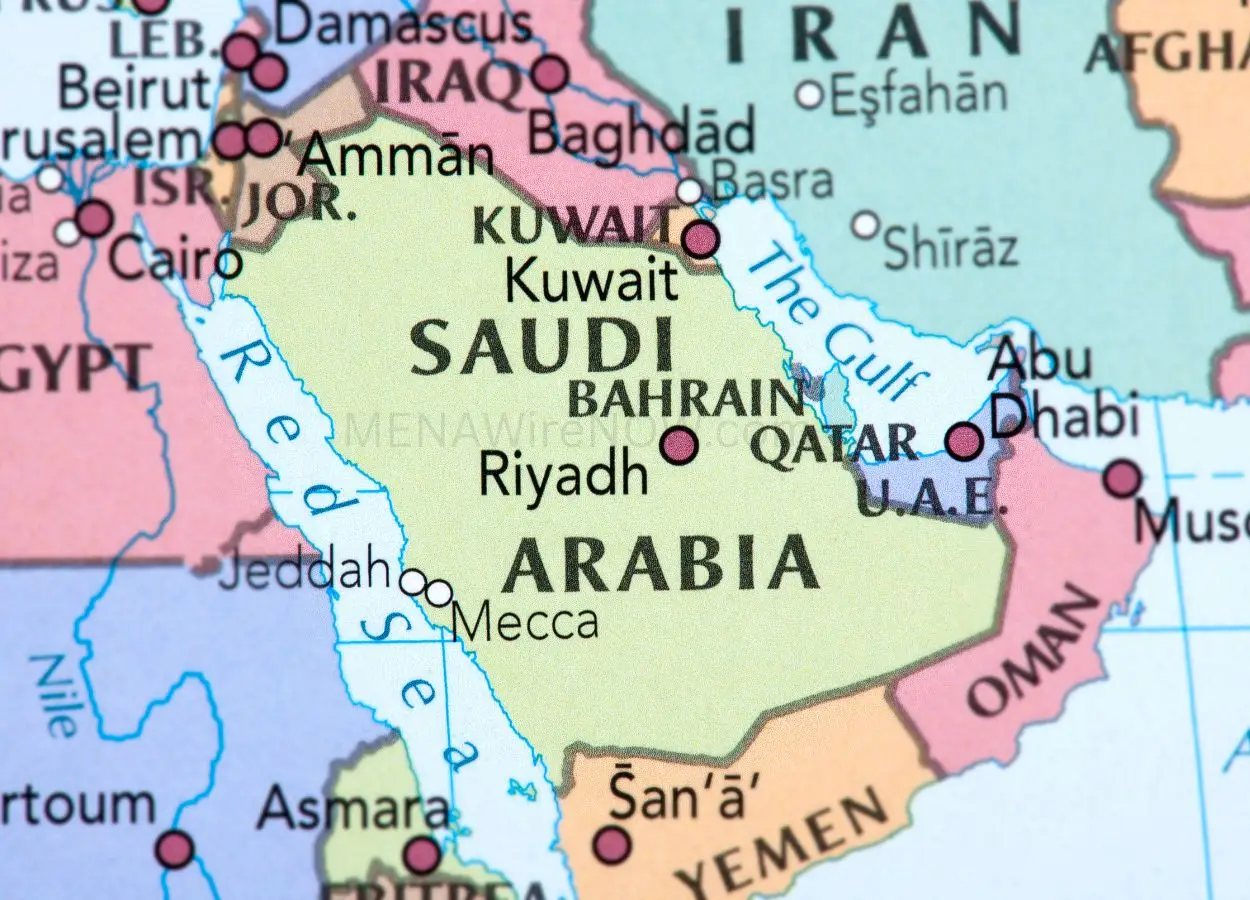
Saudi Arabia has signed three memoranda of understanding with Kuwait, Qatar and Egypt to expand cooperation in electricity, renewable energy, oil, natural gas and other strategic energy sectors. The agreements were signed by Prince Abdulaziz bin Salman bin Abdulaziz, Saudi Minister of Energy and Minister of Industry and Mineral Resources, with his counterparts from the three countries.
The agreements establish frameworks for collaboration across energy production, infrastructure, technology, investment and supply chains. They also seek to strengthen regional energy ties, explore joint projects and support cooperation on emerging technologies and international climate-related issues.
The agreement with Kuwait was signed with Dr Subaih Abdulaziz Abdulmohsen Al-Mukhizim, the country’s Minister of Electricity, Water and Renewable Energy. It focuses on electricity and renewable energy, including power grid interconnection, electricity exports, energy efficiency, storage systems and smart-grid development.
Beyond conventional electricity cooperation, the Saudi-Kuwaiti memorandum covers digital transformation, innovation, cybersecurity and artificial intelligence. Both countries intend to encourage strategic partnerships between their institutions, expand collaboration among companies and support the localisation of energy-related materials, products and services.
The agreement also includes cooperation on technologies designed to address climate change. This encompasses solutions associated with the Circular Carbon Economy, an approach focused on managing carbon emissions through measures such as reducing, reusing, recycling and removing carbon.
Saudi Arabia’s agreement with Qatar takes a broader approach to the energy sector. Prince Abdulaziz signed the memorandum with Eng. Saad bin Sherida Al-Kaabi, Qatar’s Minister of State for Energy Affairs.
The framework covers oil, petroleum products, natural gas and its derivatives, refining, petrochemicals, electricity, clean hydrogen and related products, renewable energy, energy efficiency and storage.
The two countries will also examine opportunities for joint ventures involving pipelines used to transport and export oil and gas. Other areas of potential collaboration include developing sustainable petrochemical materials for construction and other industries, alongside infrastructure projects intended to improve access to energy.
The Saudi-Qatari memorandum further provides for cooperation in international discussions and organisations dealing with energy transitions and climate change. These include the United Nations Framework Convention on Climate Change, the Paris Agreement and international negotiations aimed at establishing a legally binding instrument to tackle plastic pollution.
The third agreement, signed with Egypt’s Minister of Petroleum and Mineral Resources, Eng. Karim Badawi, concentrates on cooperation in oil, gas and related products.
Under this arrangement, Saudi Arabia and Egypt intend to expand collaboration in crude oil, refined petroleum products and natural gas. The scope includes trading, handling, transportation, storage and distribution, as well as the development of supporting infrastructure and logistics networks.
The agreement aims to improve integration between energy markets, reinforce supply-chain reliability and strengthen energy security. Cooperation is intended to help meet demand in domestic markets and across regional and international destinations.
Implementation will follow the laws and regulations of both countries, with activities conducted on commercial terms that serve their shared interests.
The Saudi-Egyptian framework also provides for sharing Saudi expertise in the qualification, operation and maintenance of fuel stations and service centres. It includes exchanging experience gained from opening Saudi Arabia’s liquefied petroleum gas sector to competition, while expanding cooperation in petrochemicals and investment in existing and planned projects.
Taken together, the three memoranda create channels for closer coordination among Saudi Arabia and its regional partners across traditional energy industries and newer technologies. Their practical impact will depend on the projects developed under the frameworks, the investments secured and the implementation arrangements agreed by the participating countries.



No Comment! Be the first one.