




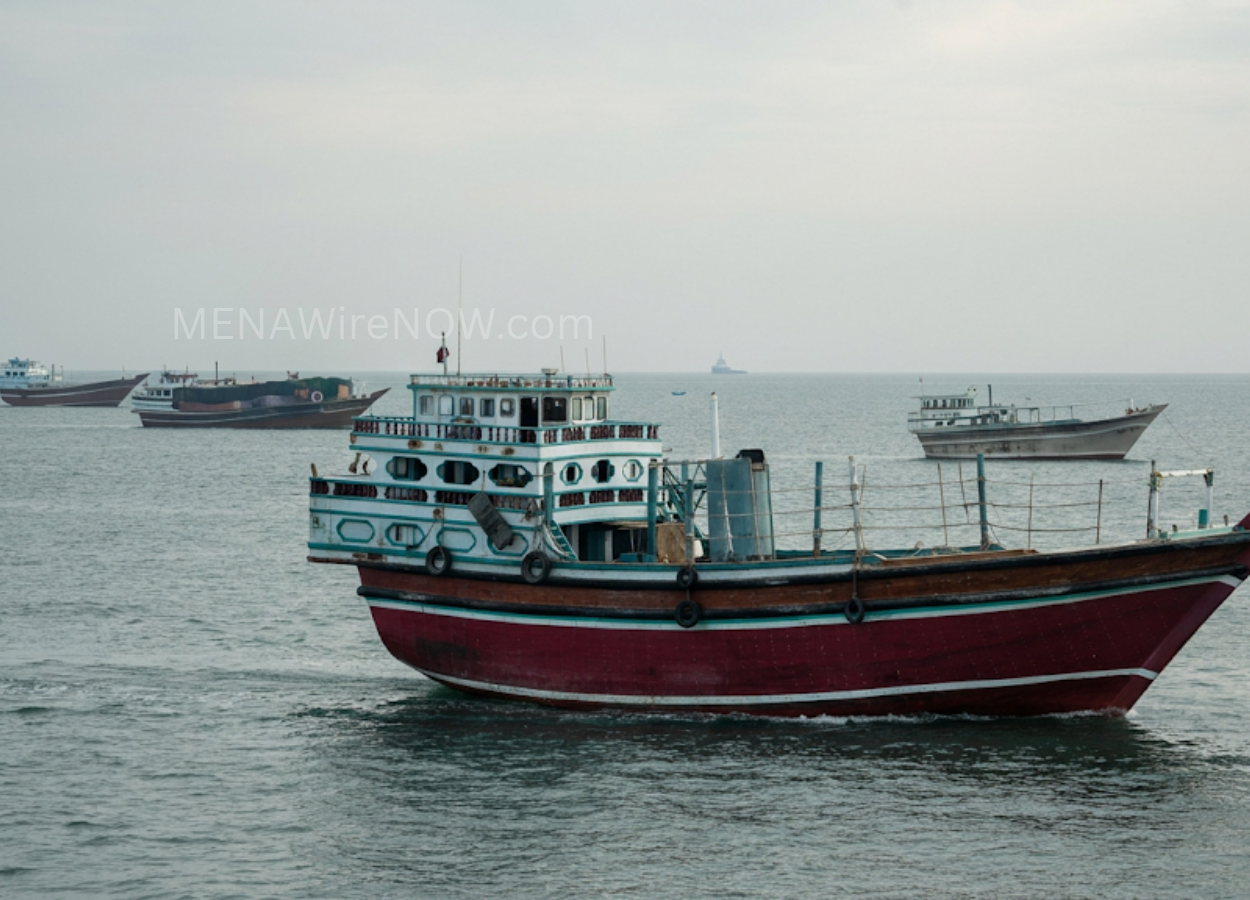
Commercial vessels taking on cargo at sea from ships that loaded along Iran’s coast or ports now risk boarding, seizure, or diversion under expanded American maritime rules announced on Wednesday. US Central Command issued the warning to close offshore loopholes used to move petroleum despite ongoing naval restrictions around Iranian terminals.
The updated advisory targets ship-to-ship transfers even when receiving vessels never enter Iranian waters or call at domestic ports. Washington first introduced the naval blockade on Iran-linked petroleum exports on April 13, paused it in June during a tentative diplomatic understanding with Tehran, and restored it on July 14 after talks broke down.
According to CENTCOM, any vessel conducting a ship-to-ship transfer with a targeted craft carrying Iranian-origin cargo can be classified as evading the blockade. American forces stated they may halt, board, divert, or capture non-compliant ships, or order them back to the loading port in Iran. Vessels that refuse prompt compliance with lawful orders from blockade or boarding units could face enforcement measures, including force permitted under applicable law.
Regional energy markets and Gulf shipping lanes remain sensitive to maritime enforcement and escalating security risks in surrounding waters. While Iranian crude shipments have largely stalled for months, maritime intelligence and security sources indicated in October that Tehran had still managed to move limited volumes of liquefied petroleum gas and jet fuel since July.
For commercial operators, insurers, and charterers across the Gulf and wider Middle East, the stricter stance raises compliance stakes around offshore transshipment and route planning. Any secondary tanker participating in mid-sea cargo swaps faces potential interdiction, operational delays, and heightened liability regardless of whether it directly visits Iranian harbors.
By extending enforcement to receiving vessels at sea, Washington aims to choke off remaining workaround channels and further squeeze revenue streams tied to Iranian energy exports. Shipping firms operating near key regional chokepoints are likely to scrutinize vessel histories and transfer arrangements closely as maritime patrols enforce the tighter rules.




No Comment! Be the first one.