






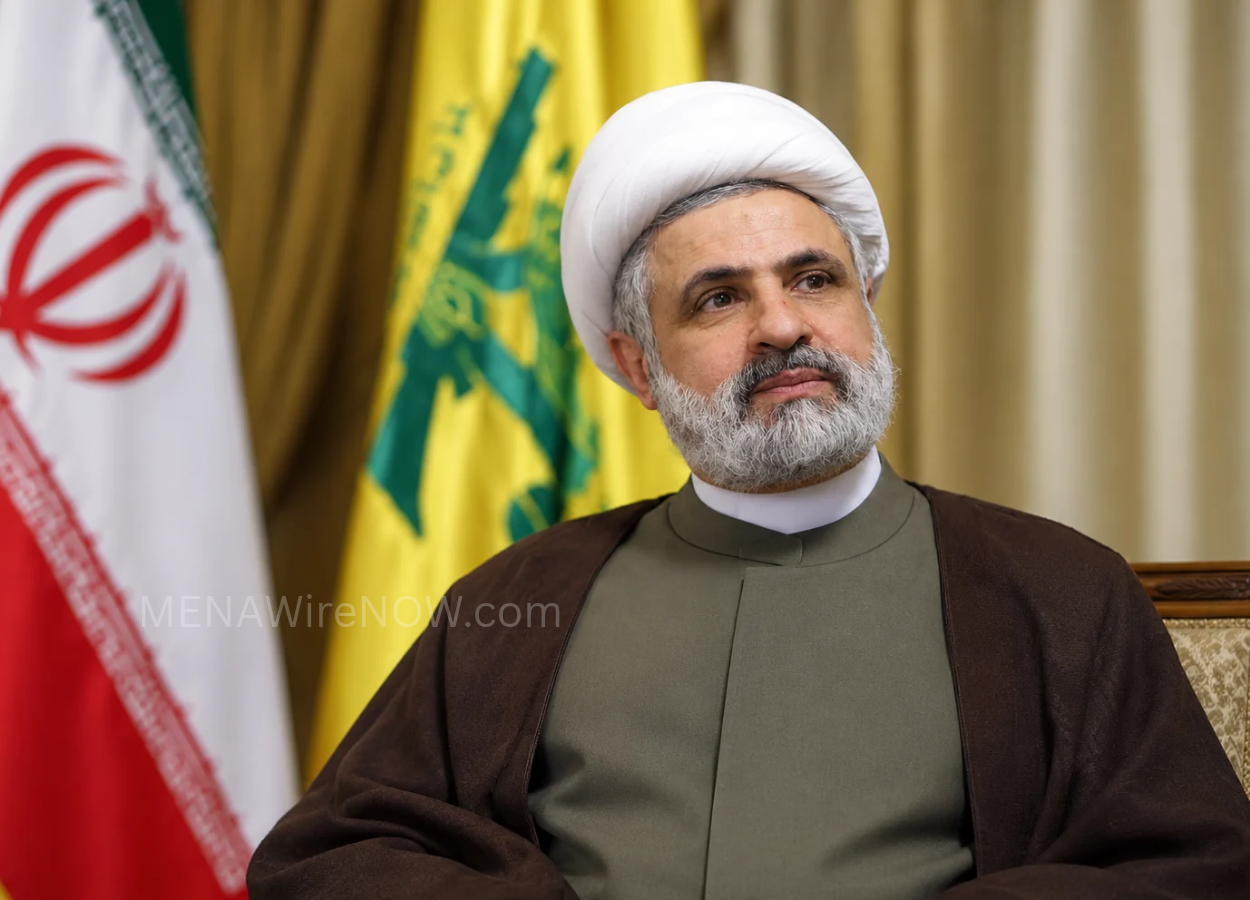
Leader of the Hezbollah party of Lebanon, Hassan Nasrallah, said that recent political difficulties faced by American governing authorities present a good opportunity for resistance movements in the area. While delivering a televised speech on the day of commemorating Martyrs in southern suburbs of Beirut, the secretary general of Hezbollah, Naim Qassem, said that the results of the midterm elections in the United States are a turning point in American policy, confirming that leaders promoting anti-Iranian policies faced great difficulties.
This statement was made considering the background of serious geopolitical crises in the Middle Eastern region, which intensified after months of escalation between Iran and Israel. Qassem pointed to the electoral outcome as evidence of shifting domestic pressures within Western nations, suggesting that regional adversaries of Washington are positioned to benefit from the changing balance of power. Calling the vote an earthquake in American politics, he emphasized that those who led sustained campaigns against Lebanon, Palestine, Yemen, and Iran have faced undeniable political retributions, adding that Washington’s current approach can no longer continue unchanged.
Furthermore, Qassem noted that recent electoral developments across both the United States and Israel reflect growing public dissatisfaction with prolonged regional hostilities and military interventions. Observers across the Gulf and wider Levant are closely monitoring how these domestic political realignments in Washington might influence diplomatic initiatives, ceasefire negotiations, and broader security commitments across fragile Middle Eastern flashpoints in the coming months.
At the same time, the Lebanese movement maintained its firm stance regarding domestic security and military posture. The leadership reiterated that the group will not lay down its arms or alter its strategic defense positions until foreign military forces completely withdraw from southern Lebanon. This hardline position underscores the ongoing domestic and international friction surrounding the enforcement of stalled diplomatic frameworks, even as regional actors evaluate the ripple effects of recent international elections. Analysts note that while regional factions view Western political shifts as advantageous, broader pathways toward a sustainable ceasefire or permanent stability in the Levant remain uncertain amid deep-seated mistrust and unresolved territorial disputes.



No Comment! Be the first one.