






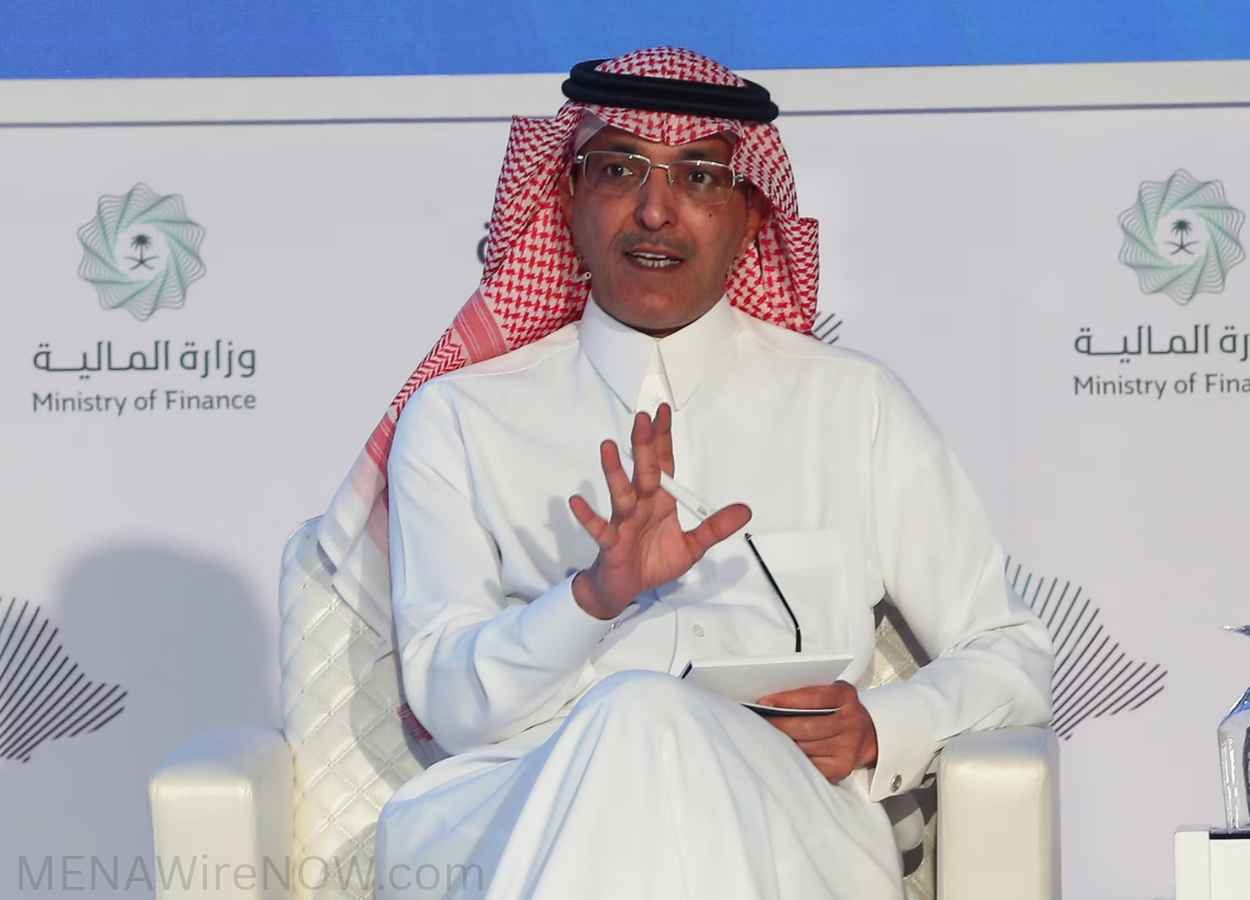
RIYADH — Saudi Arabia sees no need to draw down its financial reserves and faces far less vulnerability to crude oil price swings than in the past, Finance Minister Mohammed Al-Jadaan affirmed on Wednesday as he highlighted uninterrupted domestic markets and public services throughout the ongoing regional crisis.
Addressing the Budget 2027 Forum in Riyadh on November 25, Al-Jadaan revealed that the Kingdom’s reserves have expanded by roughly 20 percent since 2022 despite running planned fiscal deficits. That resilience stems largely from structural revenue diversification: non-oil income now funds around 37 percent of state spending, up sharply from 16 percent in earlier years, providing firmer footing for medium-term fiscal planning and expenditure stability.
“We are no longer as exposed to fluctuations in oil revenues as we once were,” Al-Jadaan told attendees, stressing that there is neither cause for alarm nor any reason at present even to weigh tapping state reserves.
His comments followed the Saudi Cabinet’s approval a day earlier of the 2027 state budget, which outlines SR1.39 trillion ($371.2 billion) in spending against SR1.2 trillion in projected revenue, leaving an estimated deficit of SR190.56 billion. Riyadh has intentionally maintained expansionary budgets to finance economic diversification, infrastructure upgrades, and development initiatives under its Vision 2030 agenda. According to Al-Jadaan, both petroleum and non-oil receipts have surpassed official forecasts even after the outbreak of the US-led war with Iran on February 28, while local markets, retail supplies, healthcare facilities, and port operations have functioned without disruption.
Defending the Kingdom’s fiscal posture, the minister pointed out that Saudi Arabia’s debt-to-GDP ratio remains among the lowest across Group of 20 economies, noting that deficits must be evaluated alongside the economic and social returns generated by targeted public spending. Vision 2030 reforms have bolstered crisis-response capacity while keeping non-oil growth, household consumption, and private investment robust.
Rerouting maritime trade toward Red Sea gateways has likewise insulated domestic supply chains from Persian Gulf transit bottlenecks. At Jeddah Islamic Port, the daily volume of trucks arriving empty and departing fully loaded has jumped fivefold from roughly 2,000 to 10,000.
To shield domestic businesses and workers from spillover pressures, Al-Jadaan announced targeted support measures aimed at helping impacted industries retain Saudi staff and prevent layoffs. He added that the government is deliberately keeping domestic borrowing below capacity so it does not crowd out private-sector access to credit. Simultaneously, the National Development Fund and its affiliated entities have rolled out loan rescheduling, working capital facilities, and credit guarantees to help companies maintain inventories and safeguard goods availability.
Organized by the Ministry of Finance, the Riyadh forum brought together cabinet ministers and senior officials to assess citizen-focused priorities—including food and water security, healthcare access, human capital, and housing stability—alongside long-term investment and sustainable growth.





No Comment! Be the first one.