






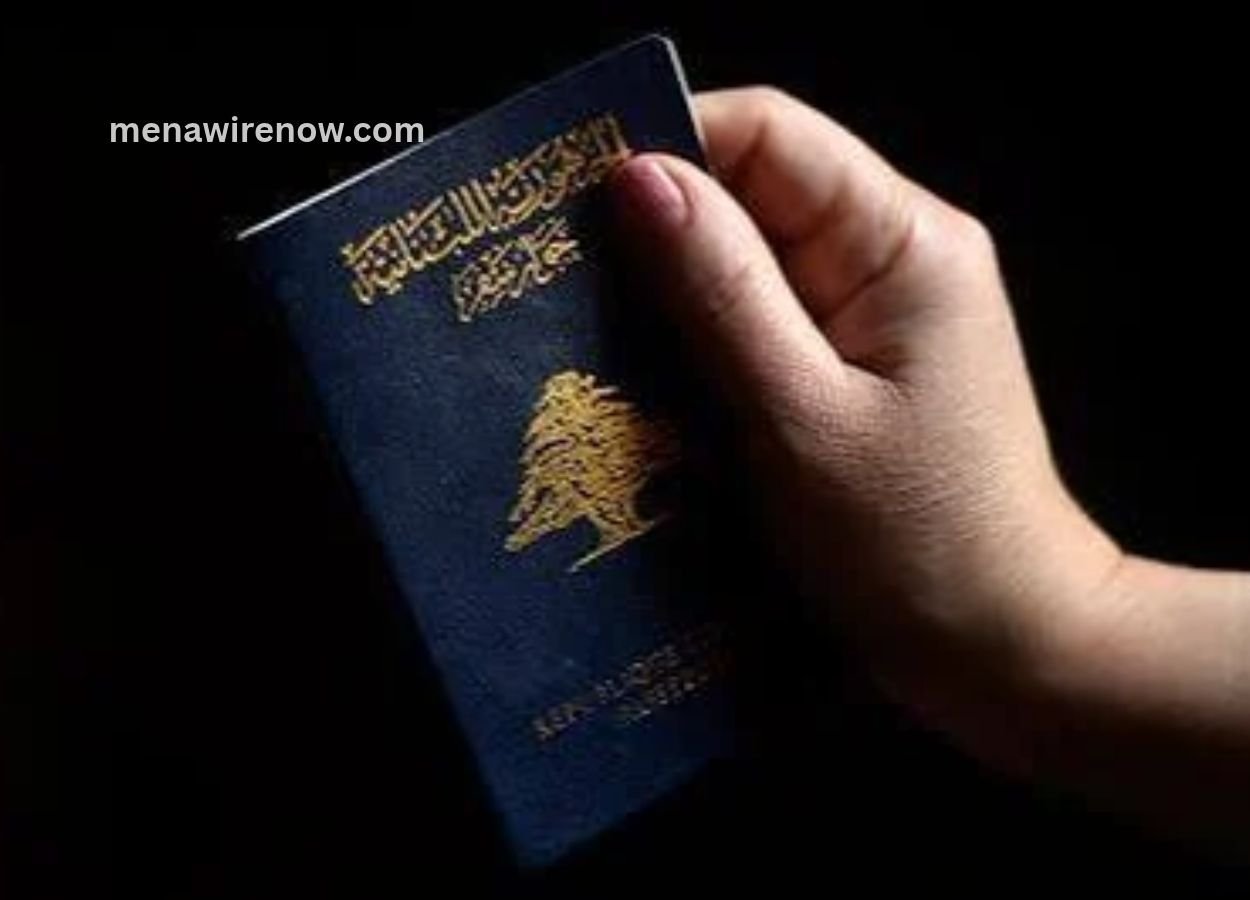
BAGHDAD — An investigation published on November 23, 2026, examines how operatives linked to Iran’s Islamic Revolutionary Guard Corps (IRGC) and other travelers have relied on sham passports and documents issued under false or borrowed names to move across parts of the Middle East, particularly in Lebanon and Iraq. The report details how forged or altered travel credentials, alongside longstanding cross-border social and marital ties, have complicated verification efforts by border and security authorities.
In Lebanon, security measures have tightened significantly following the March strike in Beirut’s Raouche district that killed senior IRGC figures and heightened scrutiny of foreign networks operating in the country. Authorities have rolled out updated biometric passport systems across diplomatic missions and removed airport personnel suspected of ties to Hezbollah amid intense international and regional pressure over border and aviation security.
In Iraq, officials and security analysts note that the issuance and circulation of questionable travel documents carry diplomatic sensitivities, especially regarding Baghdad’s ties with Western partners, even as local enforcement faces practical hurdles. Analysts also point out that not everyone intercepted with irregular papers is a militant operative, as economic and political migrants sometimes attempt similar routes, creating overlapping security and administrative challenges for regional governments.




No Comment! Be the first one.